Computer Vision
What Is Depth Anything? Estimating Depth From a Single Photo
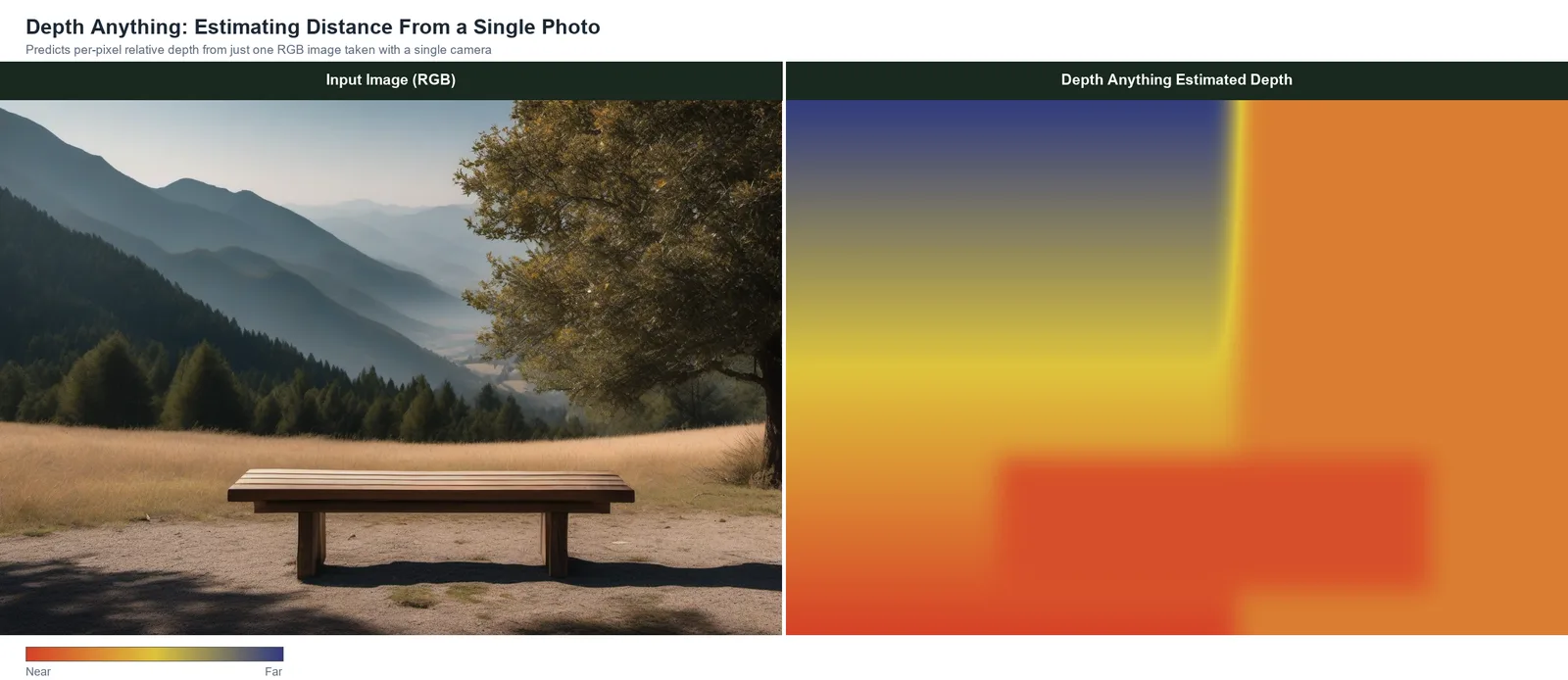
How Depth Anything, a monocular depth estimation model, predicts per-pixel relative distance from just one image taken with a single camera.
Browse every AI and Computer Vision article on this site in one place, sorted by date.
How Depth Anything, a monocular depth estimation model, predicts per-pixel relative distance from just one image taken with a single camera.
The Pentagon's unified generative AI portal, GenAI.mil, has added OpenAI's ChatGPT Mil and xAI's Grok for Government, joining Google Gemini to offer three AI models.
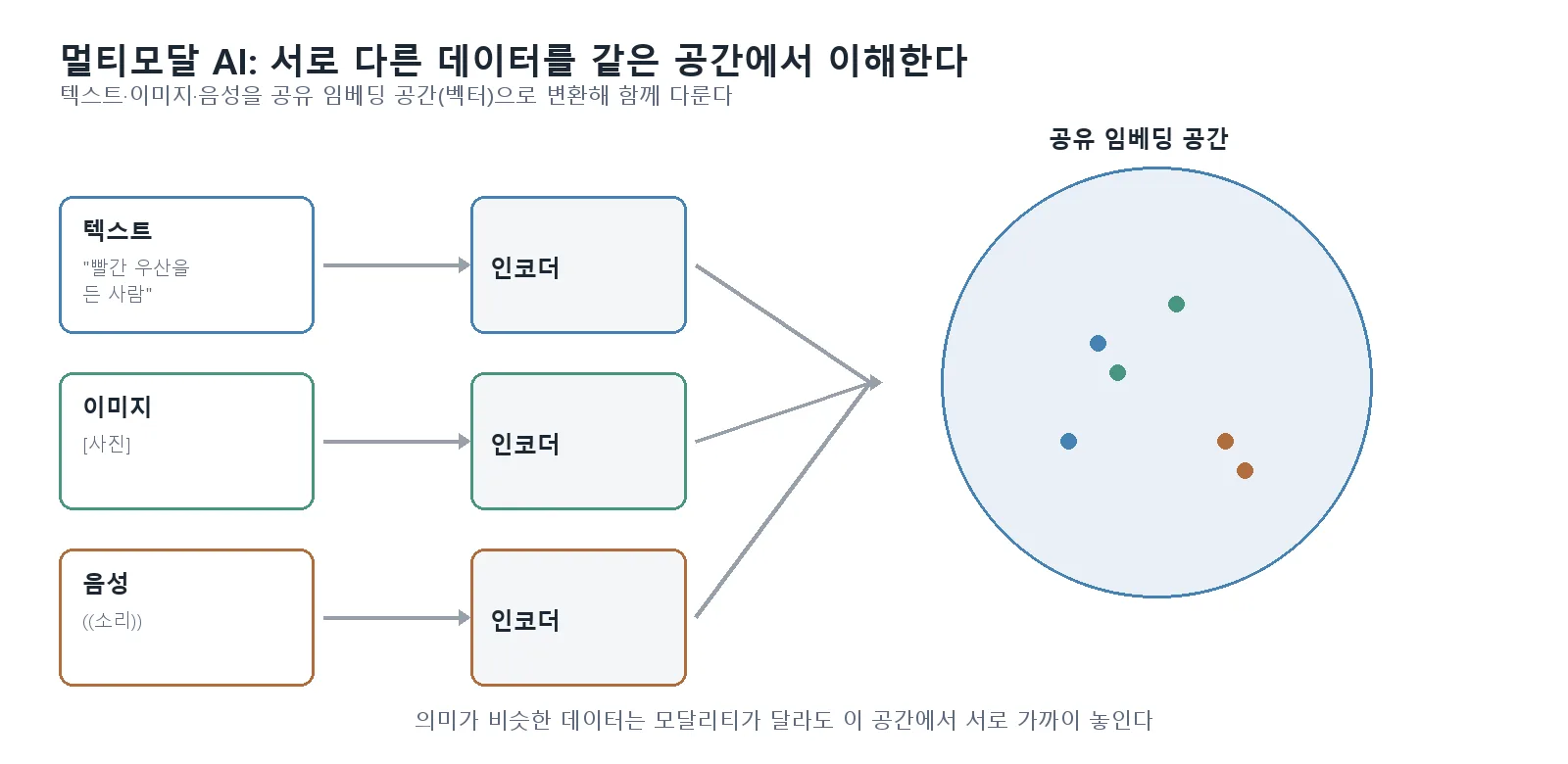
How multimodal AI lets a single model understand text, images, audio, and video at once, and the shared embedding space that makes it possible.
NVIDIA's Alpamayo, unveiled at CES 2026, is an open-source autonomous-vehicle VLA model that reasons through unfamiliar driving situations instead of just reacting to them.
Alibaba released Qwen3.8-27B under the Apache 2.0 license — a 27-billion-parameter native vision-language model that climbed into Hugging Face's most-liked models within two days of release.
Under Executive Order 14409, the US government has actually reviewed OpenAI's GPT-5.6 and Anthropic's Claude models. The process is voluntary, but access can still be restricted over national security concerns.
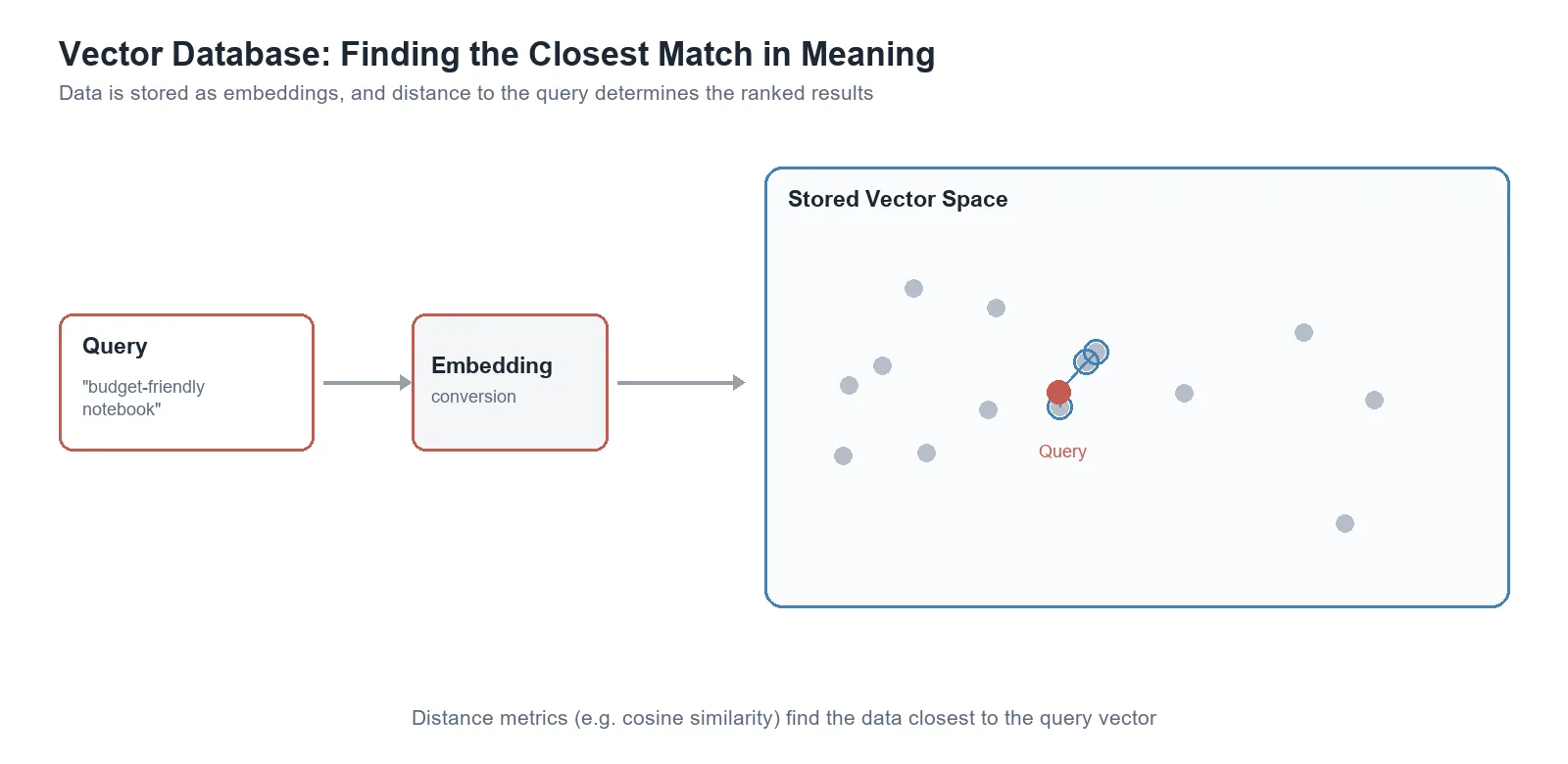
How a Vector Database searches data by meaning rather than exact match, centered on the concepts of Embedding and similarity search.
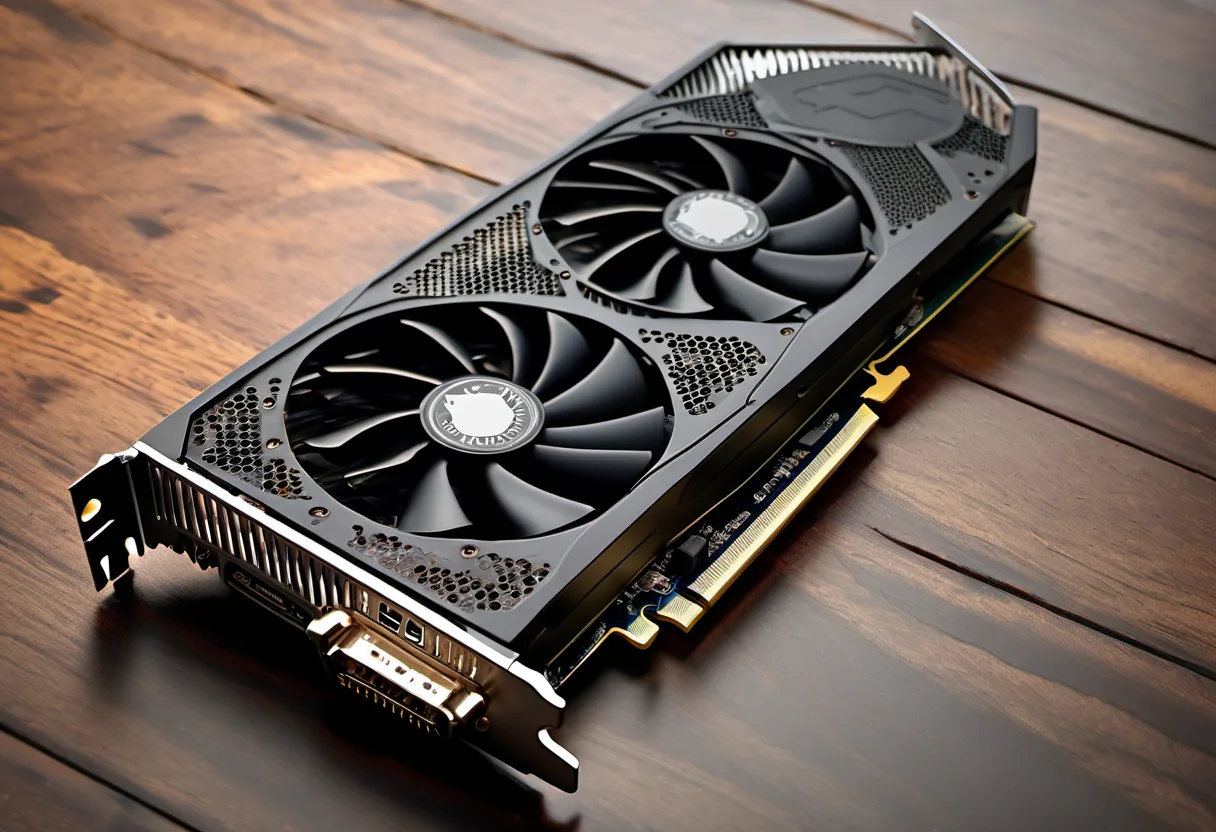
As GPU prices surge, GPU rental (Cloud GPU) services have emerged as an alternative. Here's how the different types work, what technology powers them, and how to actually use them.
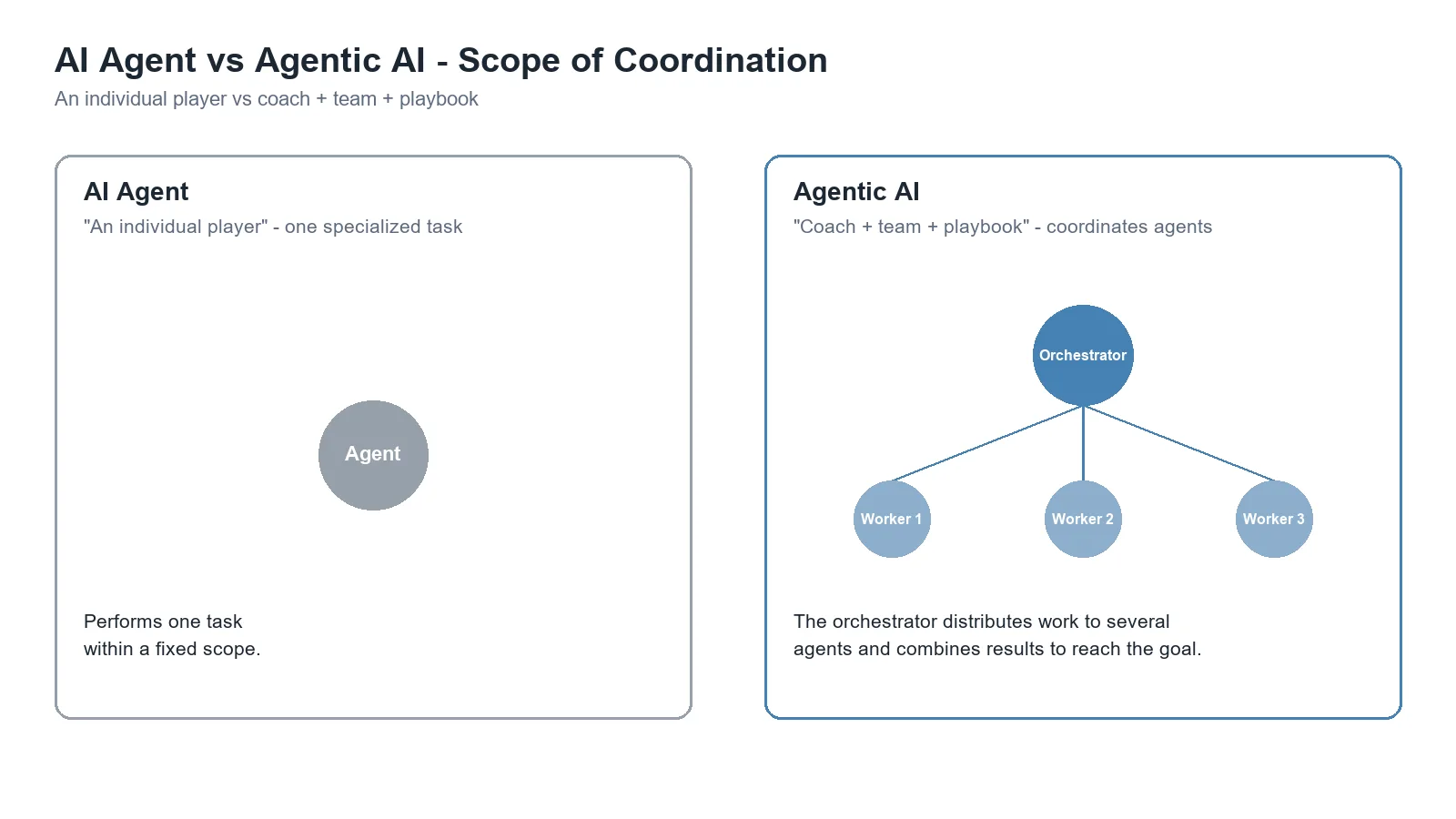
How the terms Agentic AI and AI Agent are actually used differently in practice, and why the distinction matters.
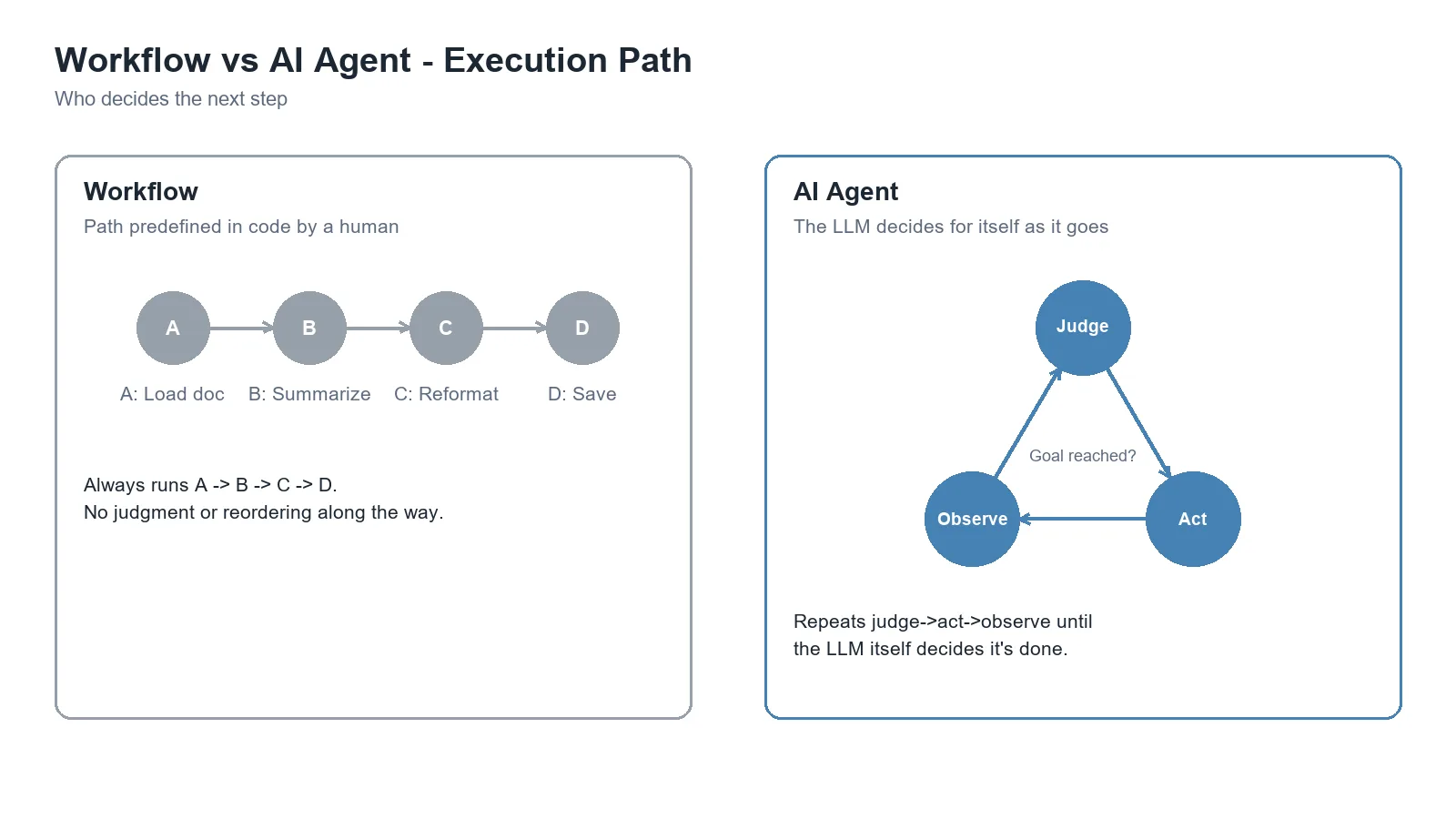
How an AI Agent differs from a general chatbot or LLM call, based on Anthropic's official definition, and when an agent is actually needed.
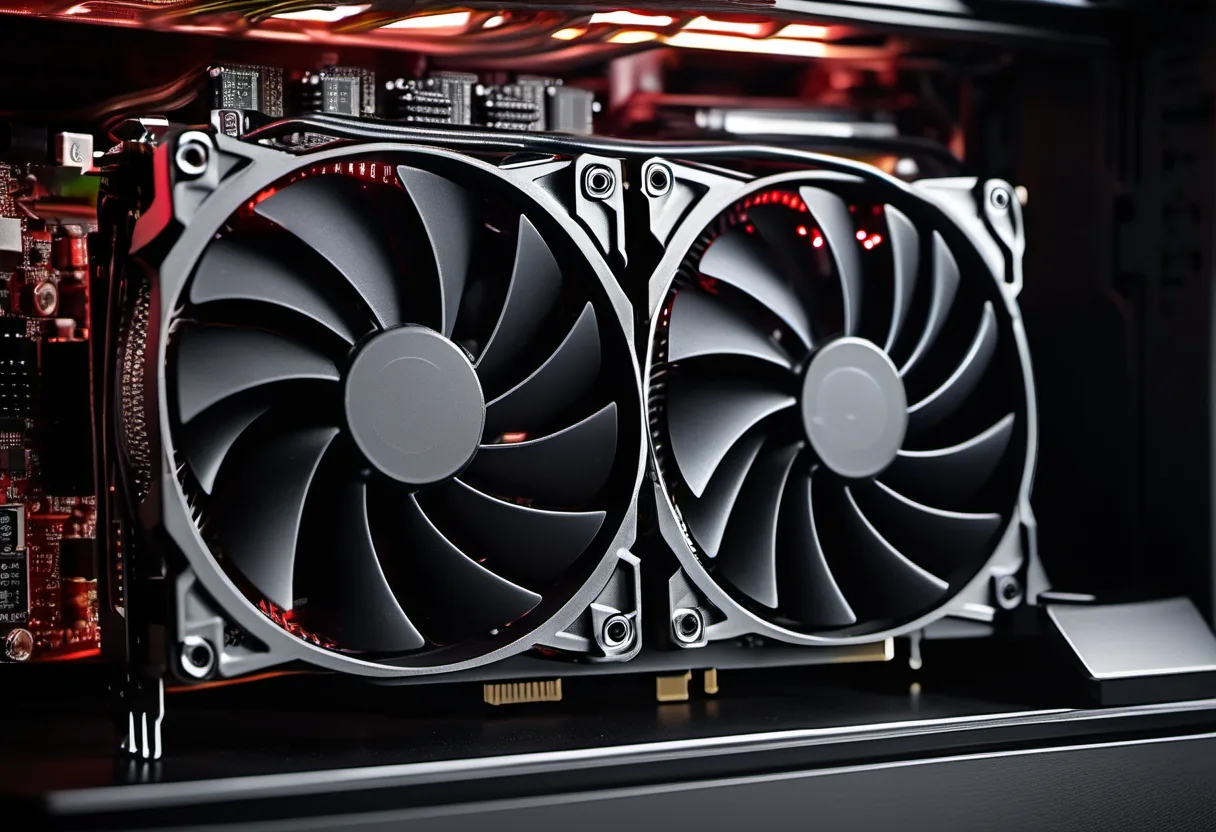
Why VRAM becomes the bottleneck when running LLMs on a GPU, and how VRAM usage changes with parameter count and quantization level.
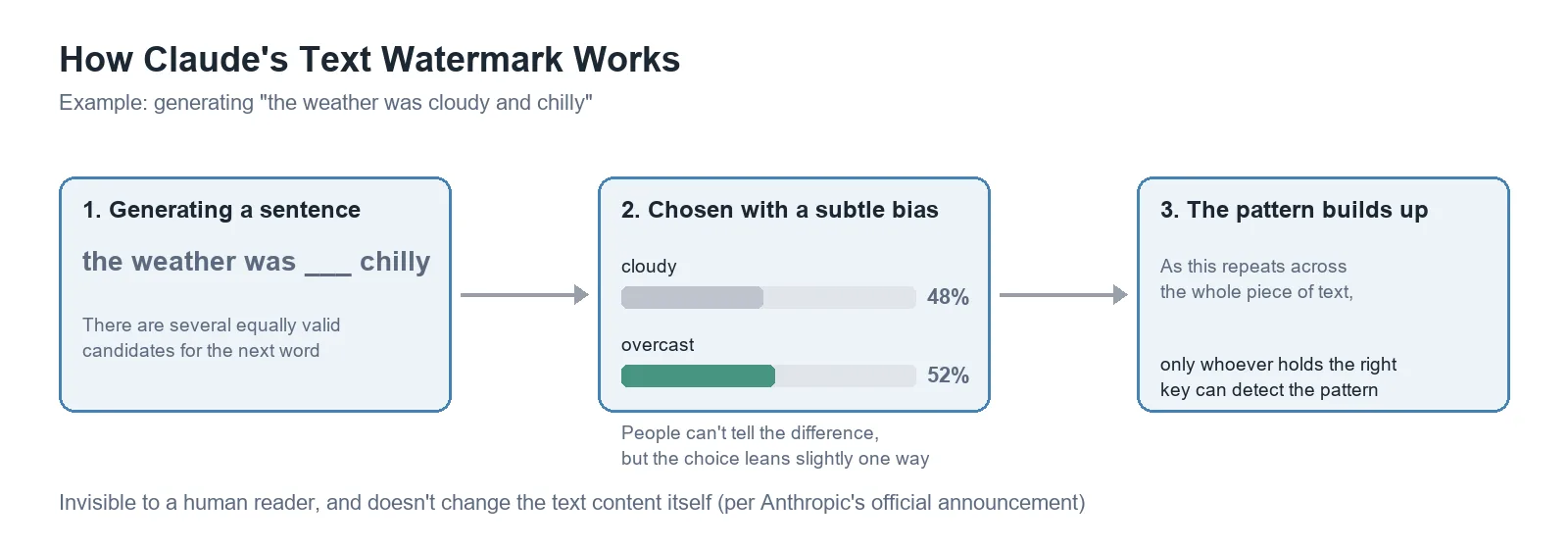
In response to the EU AI Act's transparency rules, Anthropic has begun applying an invisible watermark to text generated by Claude, worldwide.
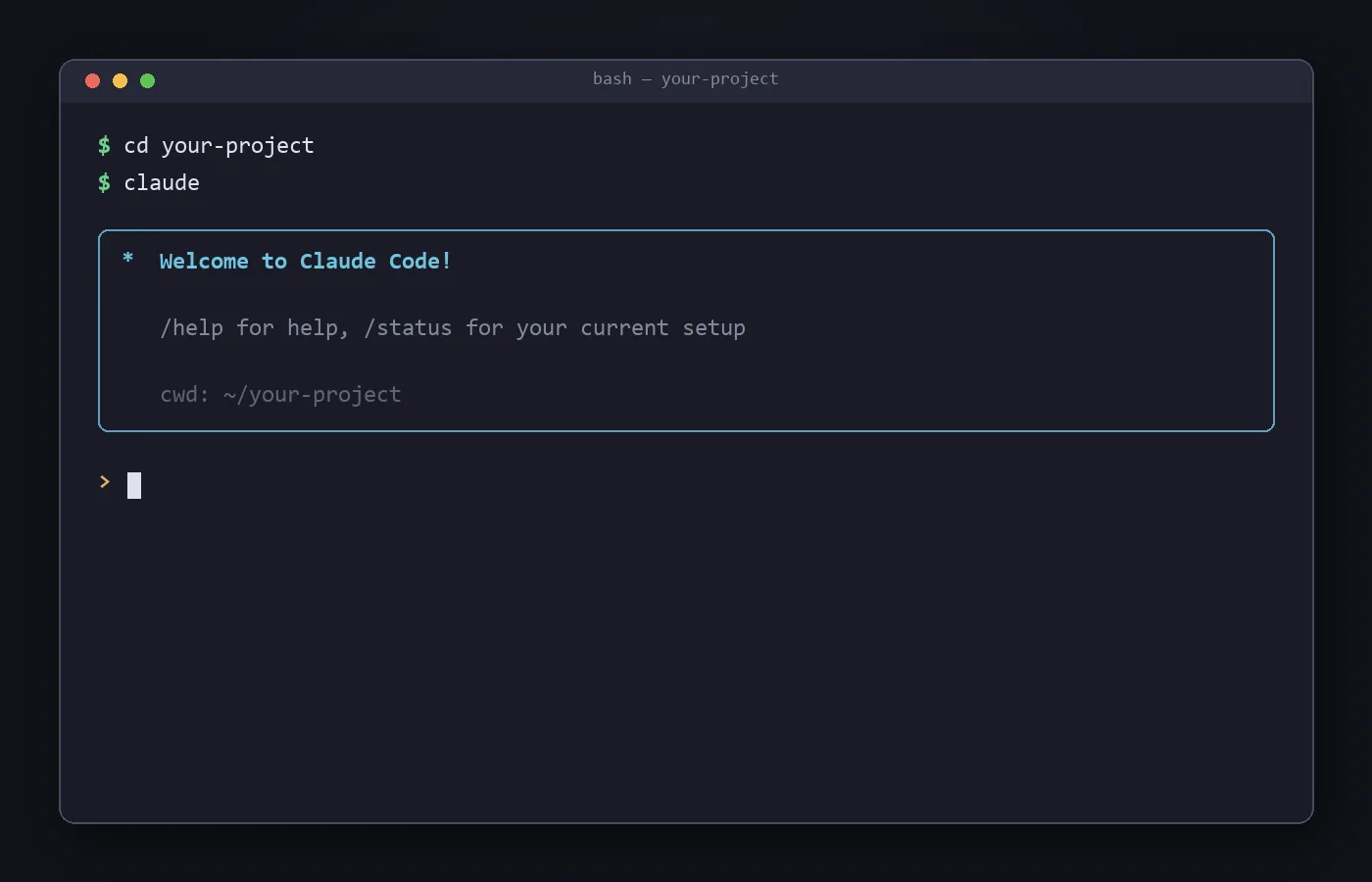
A rundown of Anthropic's agentic coding tool Claude Code — what it is, how to install it on each OS, its core features, and pricing — based on official documentation.
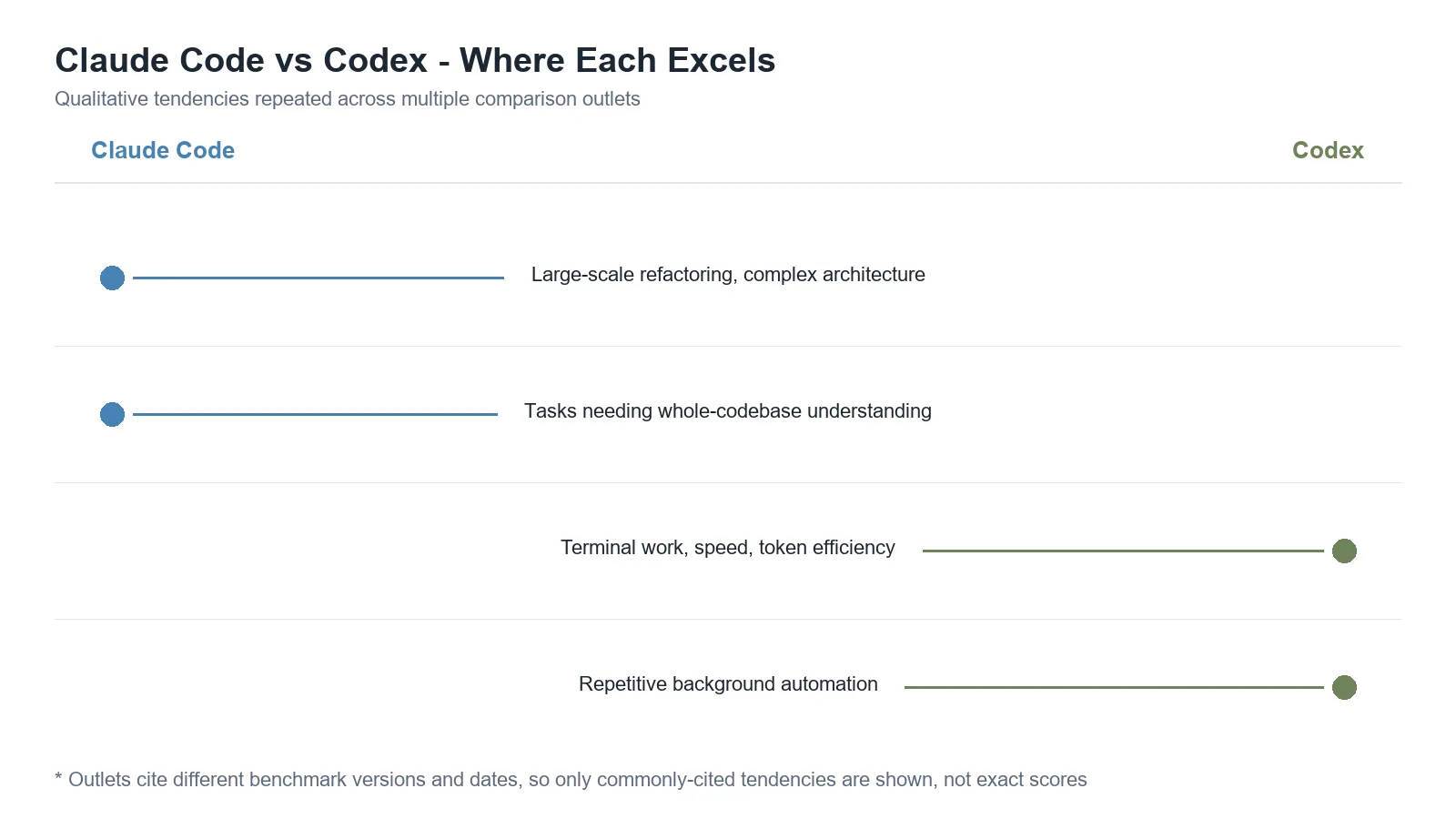
Comparing Anthropic's Claude Code and OpenAI's coding agent Codex on underlying models, pricing, features, and benchmarks.
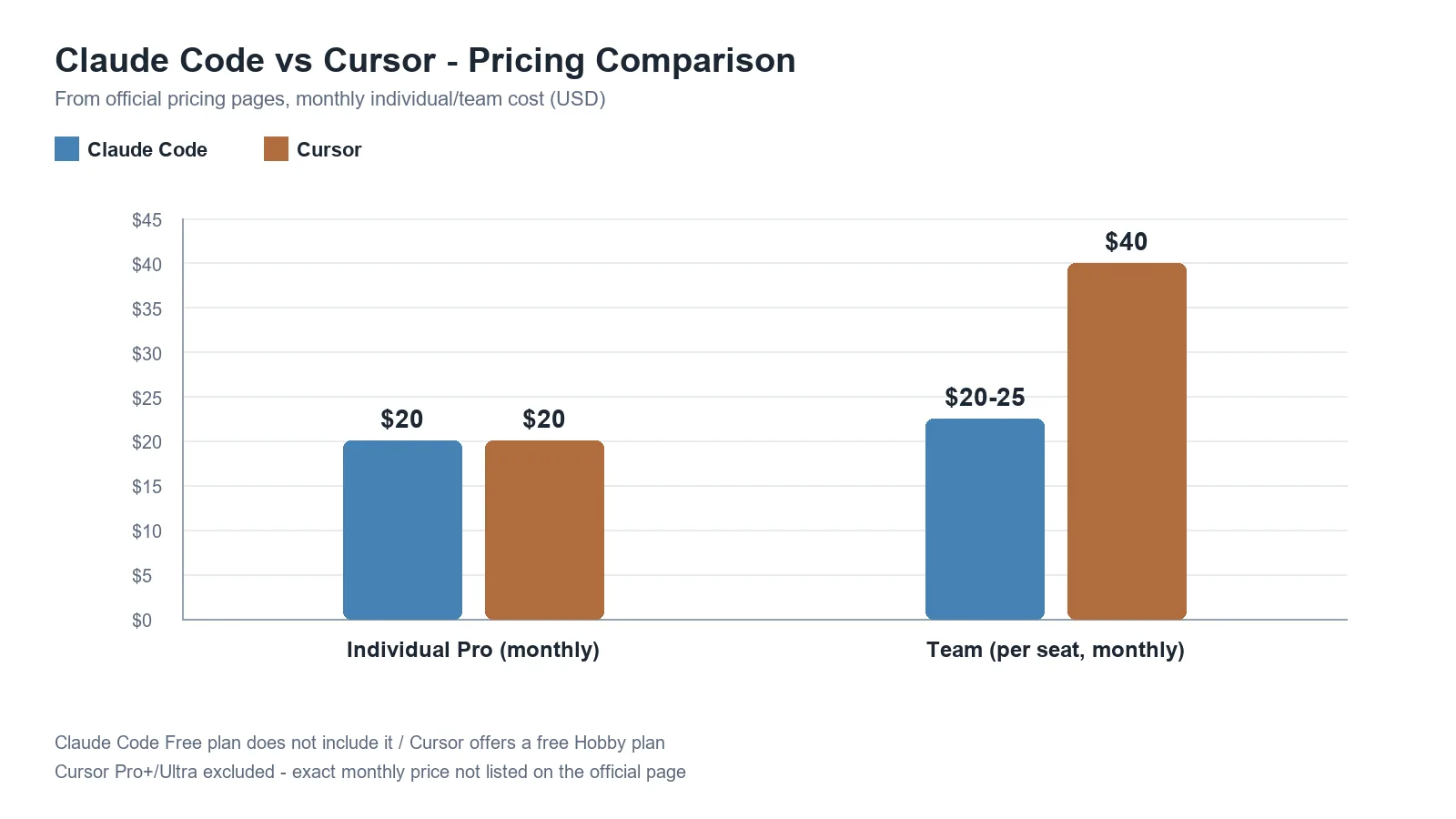
Comparing the terminal-based agent Claude Code and the IDE-based autocomplete tool Cursor on pricing, working style, and fit for different situations.
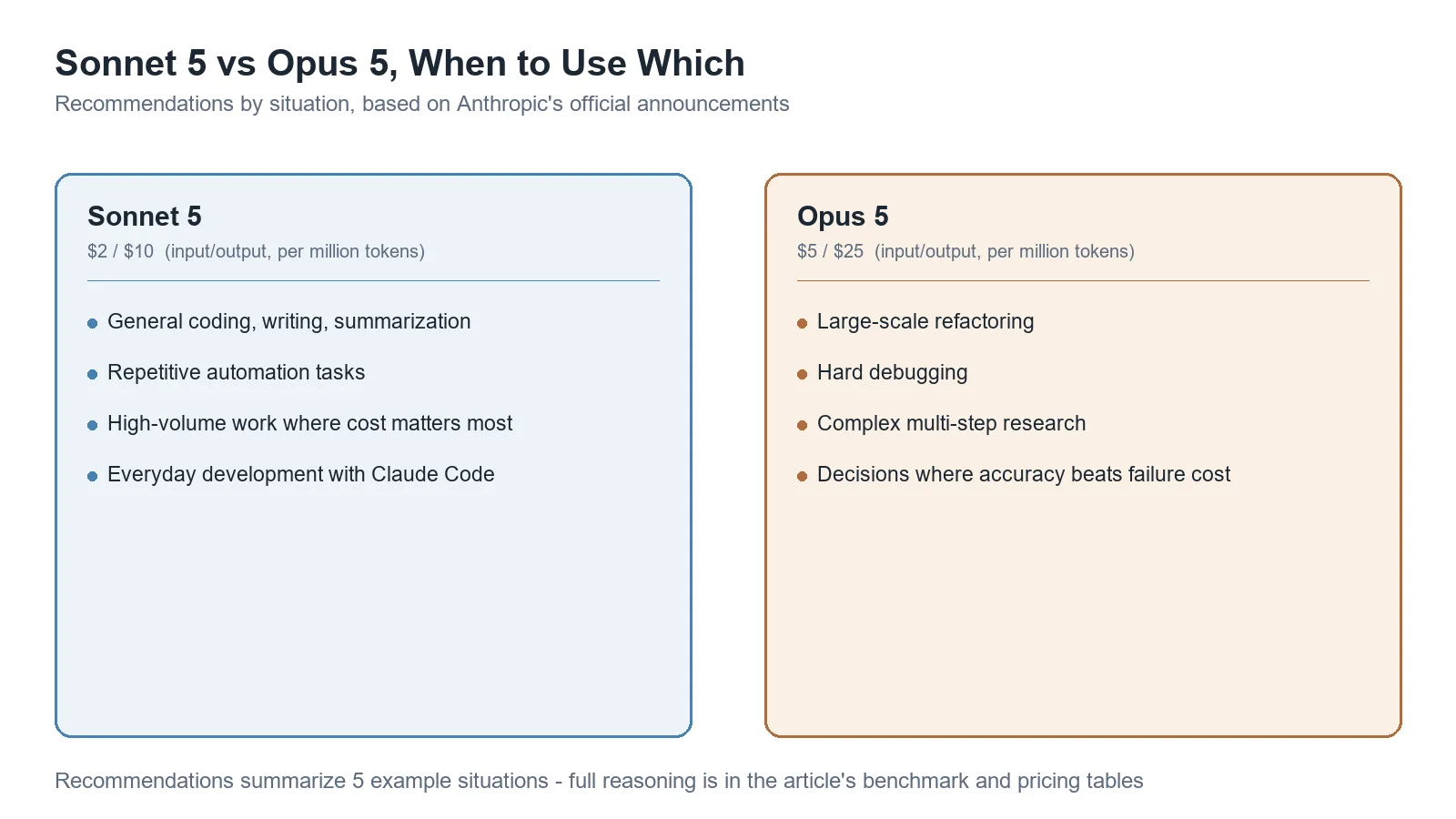
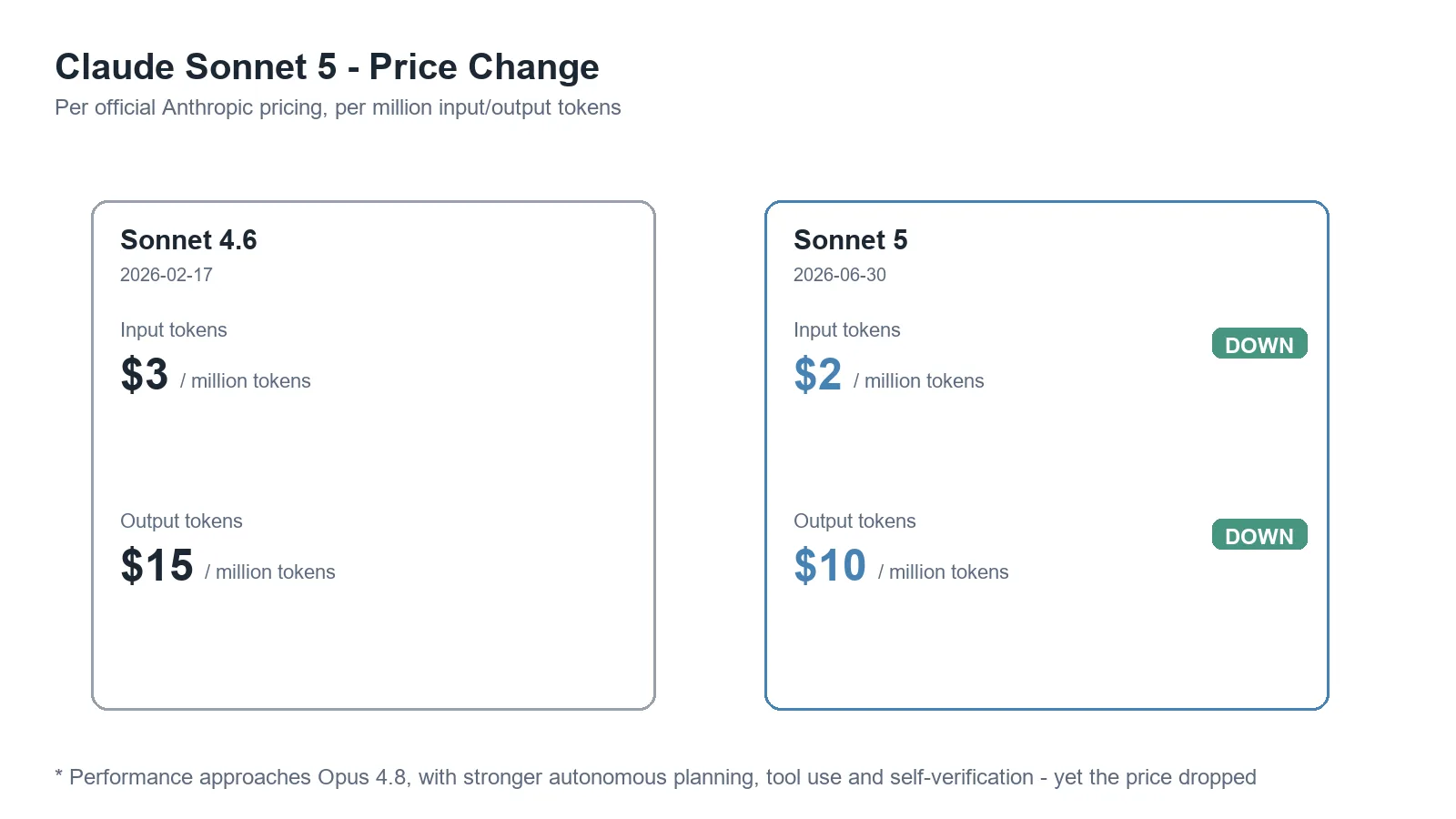
Comparing Anthropic's top-tier Opus 5 and mid-tier Sonnet 5 on price, performance, and use case, and which model fits which kind of task.
How Claude Sonnet 5, released by Anthropic in June 2026, differs from its predecessor Sonnet 4.6 in price, performance, and features, based on the official announcement.
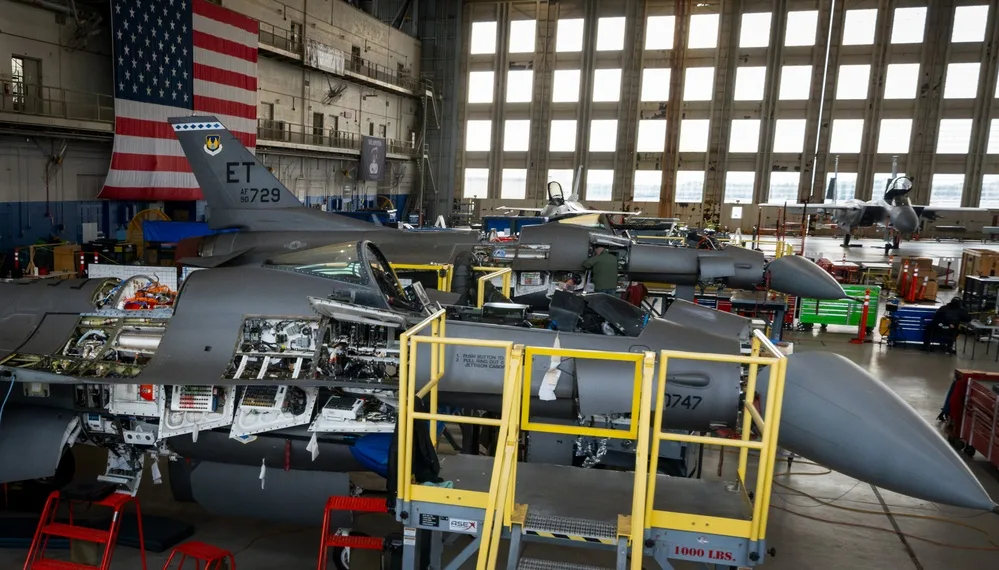
DARPA and the U.S. Air Force revealed a test flying an F-16 modified under the VENOM program under AI control.
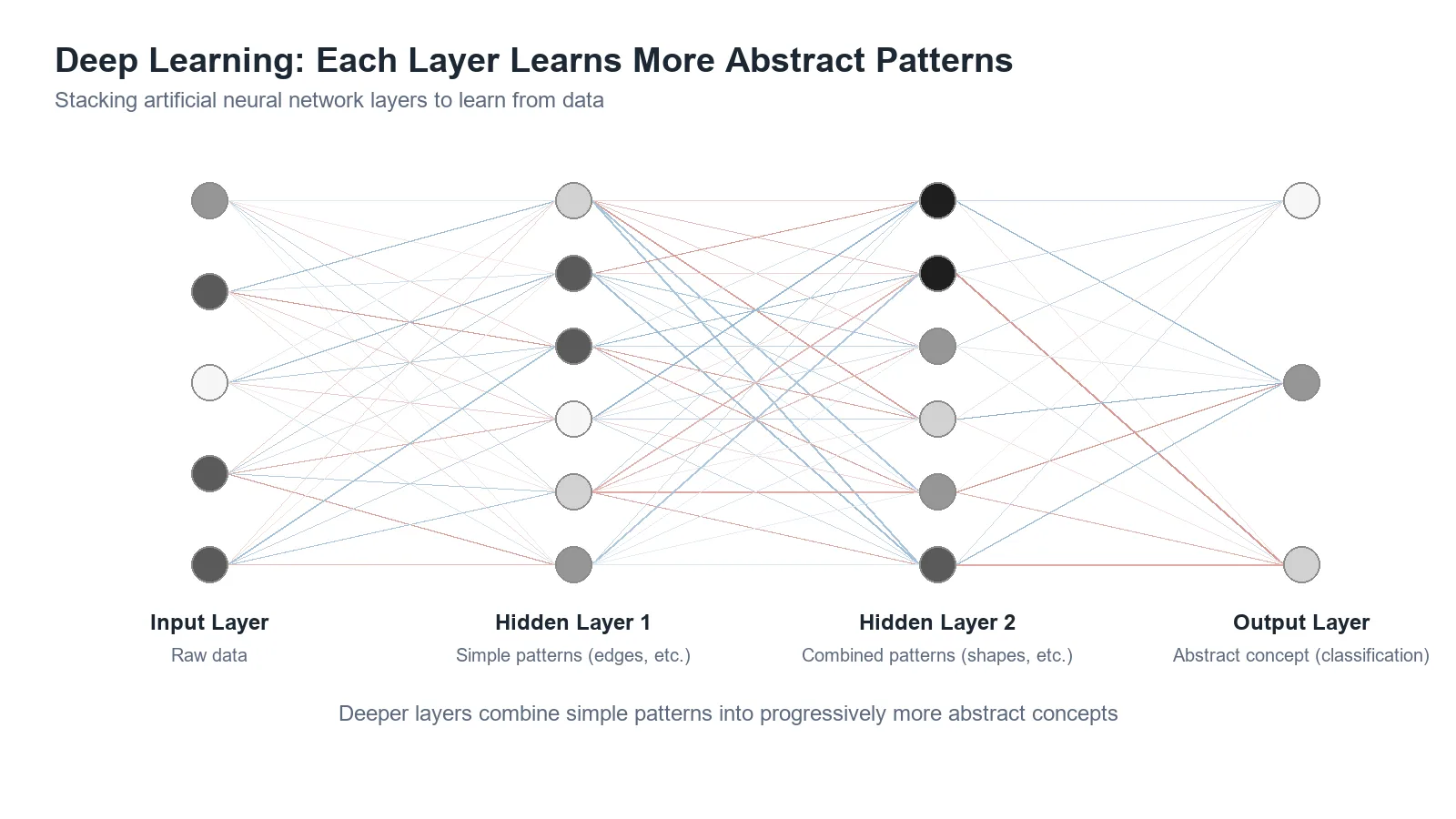
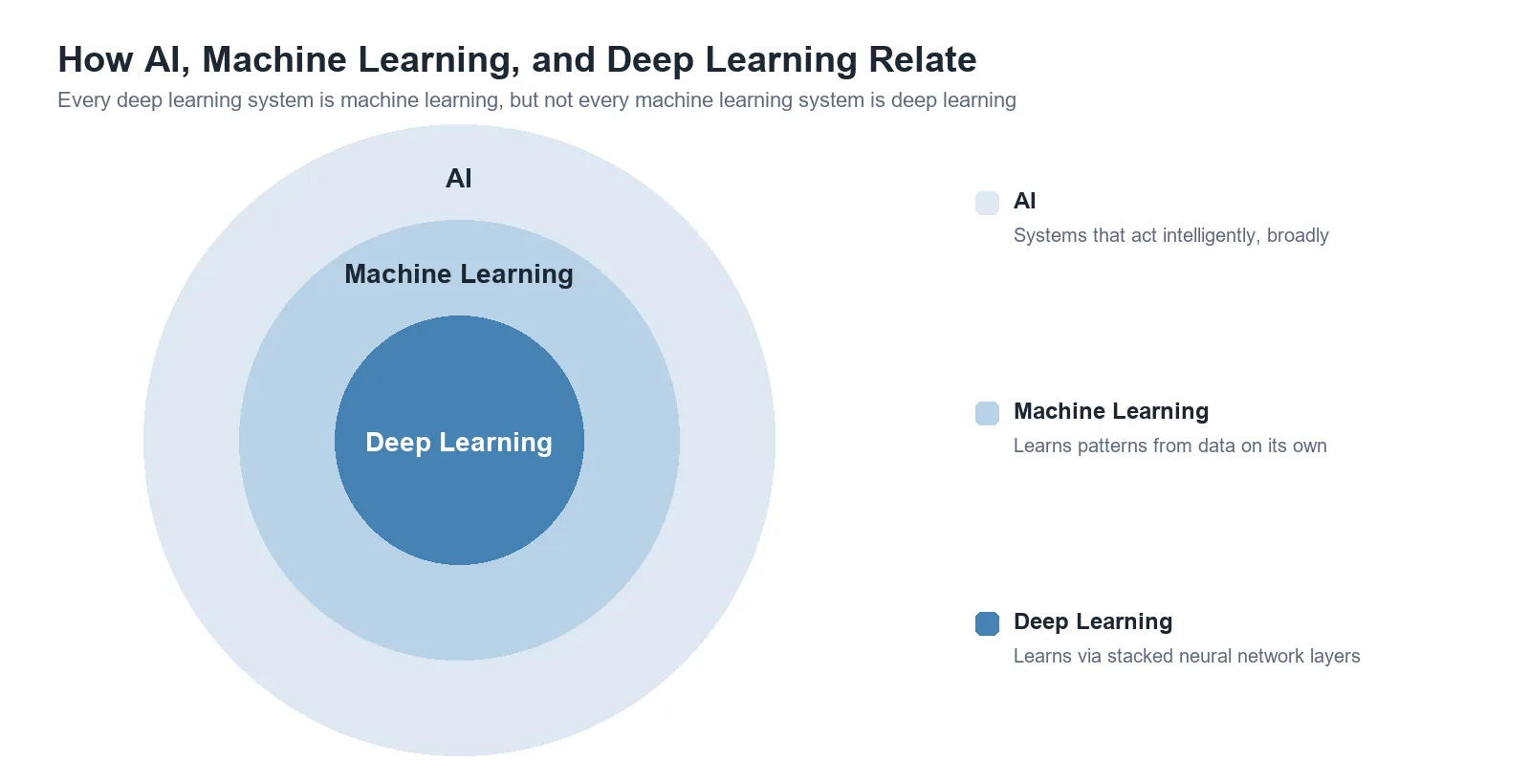
How deep learning stacks artificial neural networks in layers to learn unstructured data like images and text, and how it practically differs from machine learning.
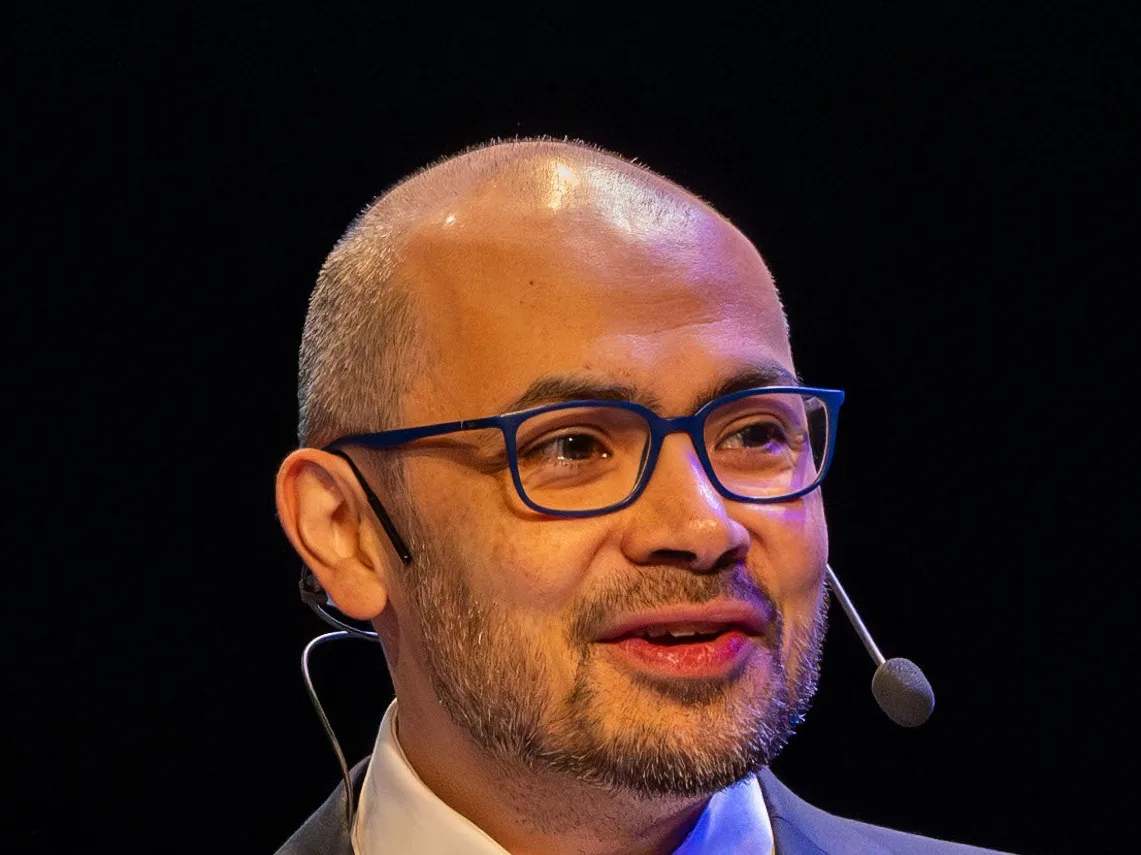
Google DeepMind has moved Demis Hassabis from CEO to Board Chair and Alphabet Chief Scientist, with Koray Kavukcuoglu taking over day-to-day operations.
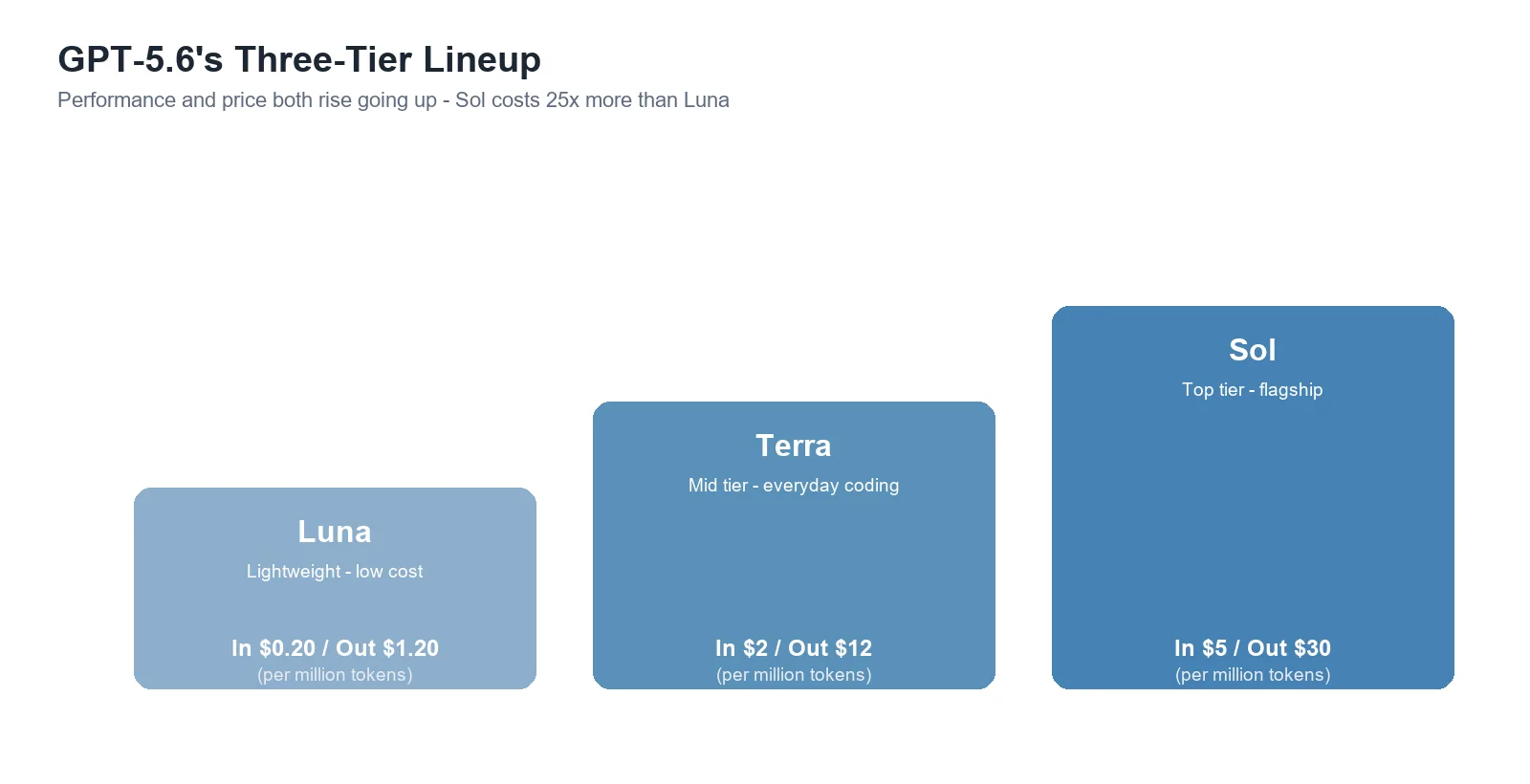
A rundown of GPT-5.6's three-tier lineup (Luna, Terra, Sol), pricing, and key performance improvements, released by OpenAI in July 2026.
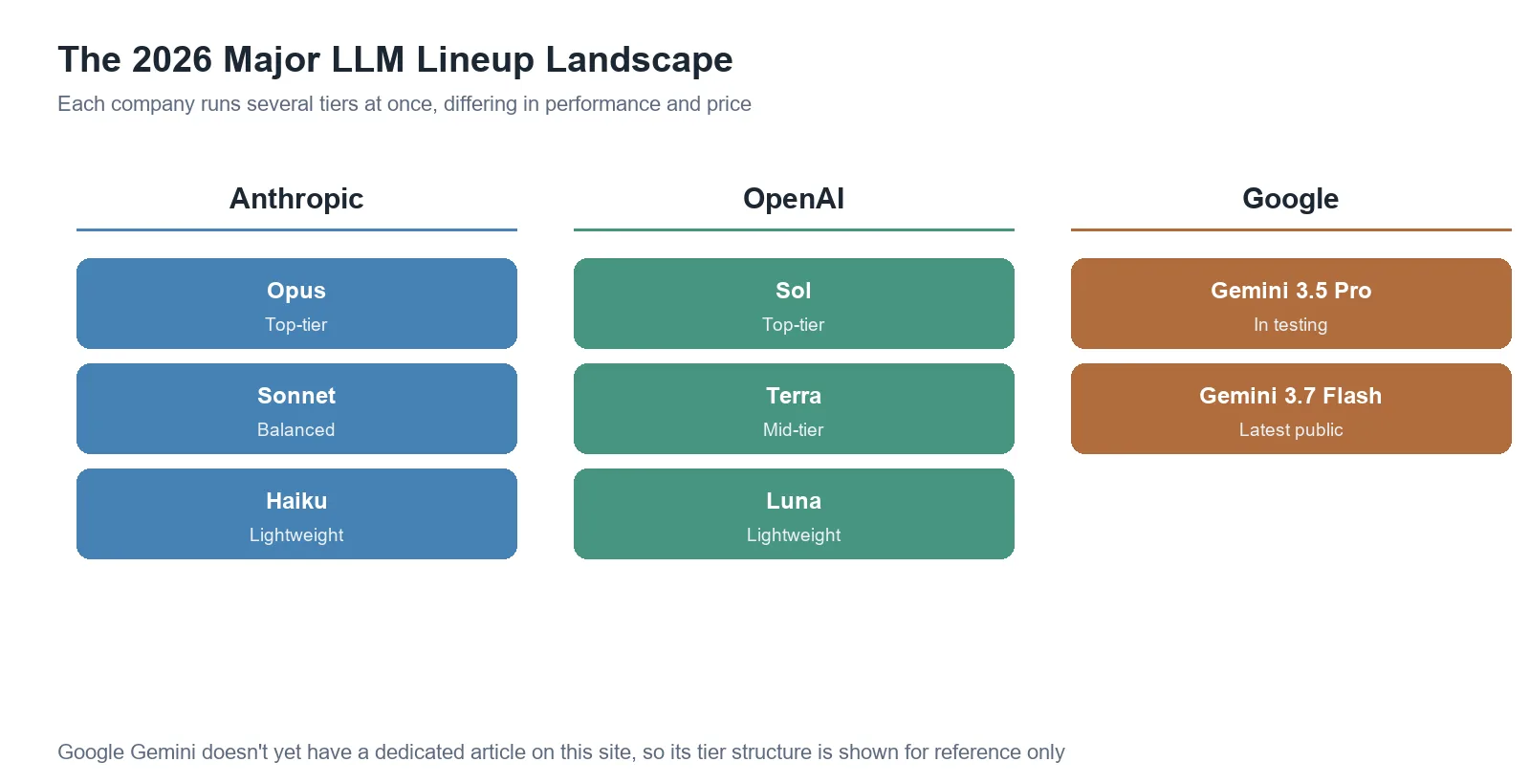
A single-page overview of the major LLM families — Anthropic Claude, OpenAI GPT, Google Gemini — linking out to this site's detailed articles on each model.
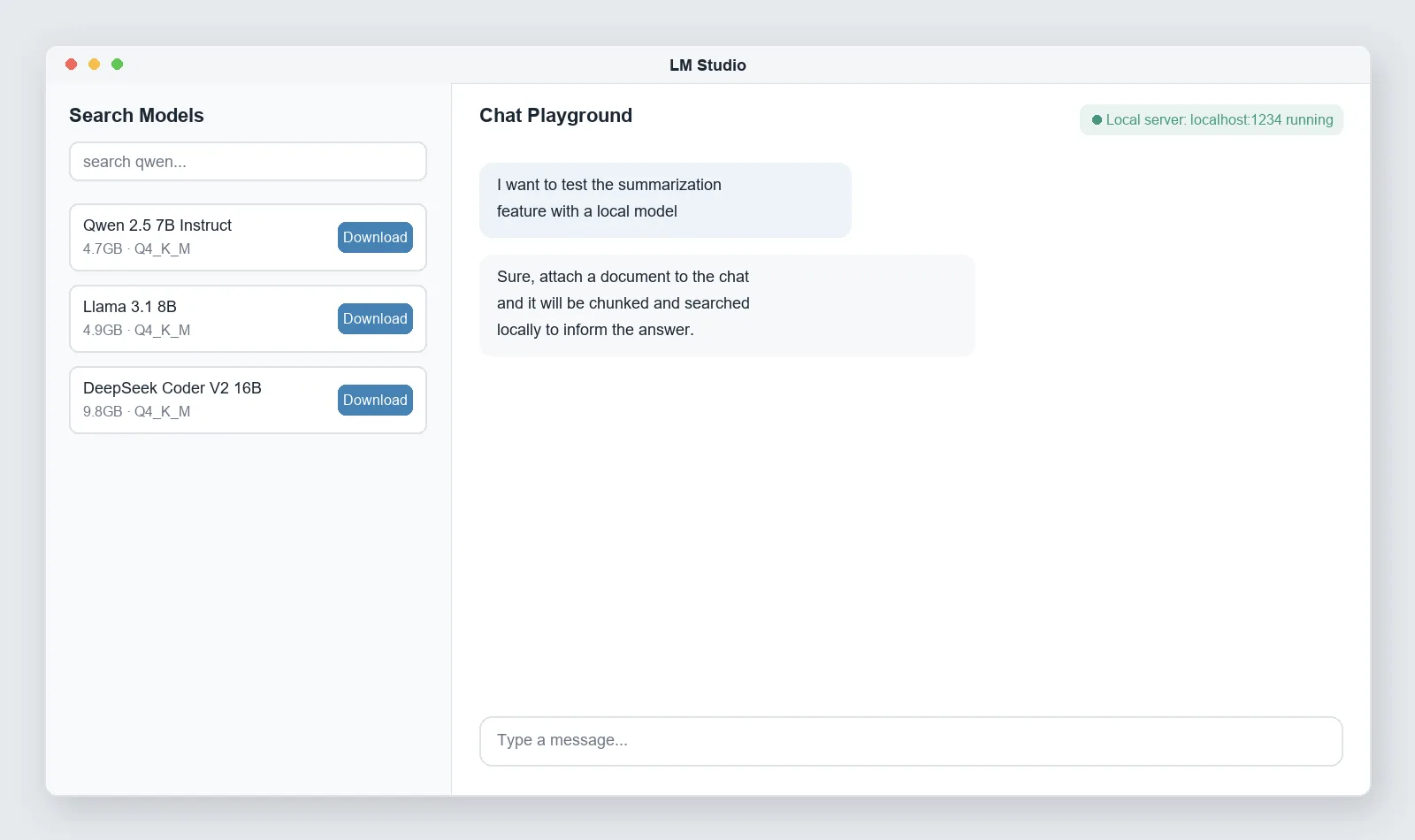
The core features and usage of LM Studio, a free desktop app for downloading and running local LLMs through a GUI.
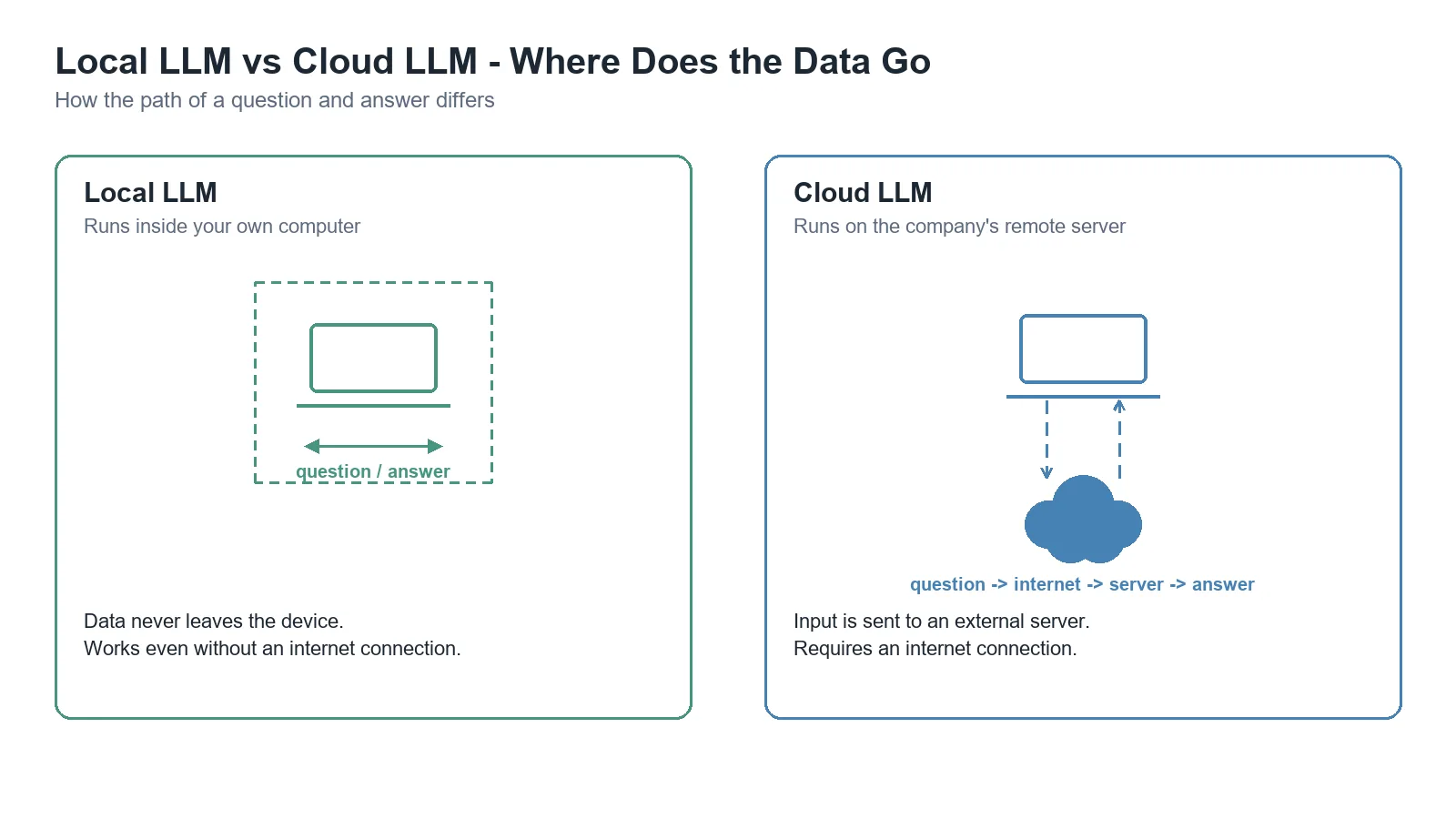
How a Local LLM running directly on your own computer differs from Cloud LLMs like ChatGPT and Claude, and when it's the better choice.
How much GPU VRAM you need by model size when running local LLMs with LM Studio or Ollama, and how to choose on a budget.
How AI, machine learning, and deep learning relate to each other, and how machine learning learns rules on its own from data.
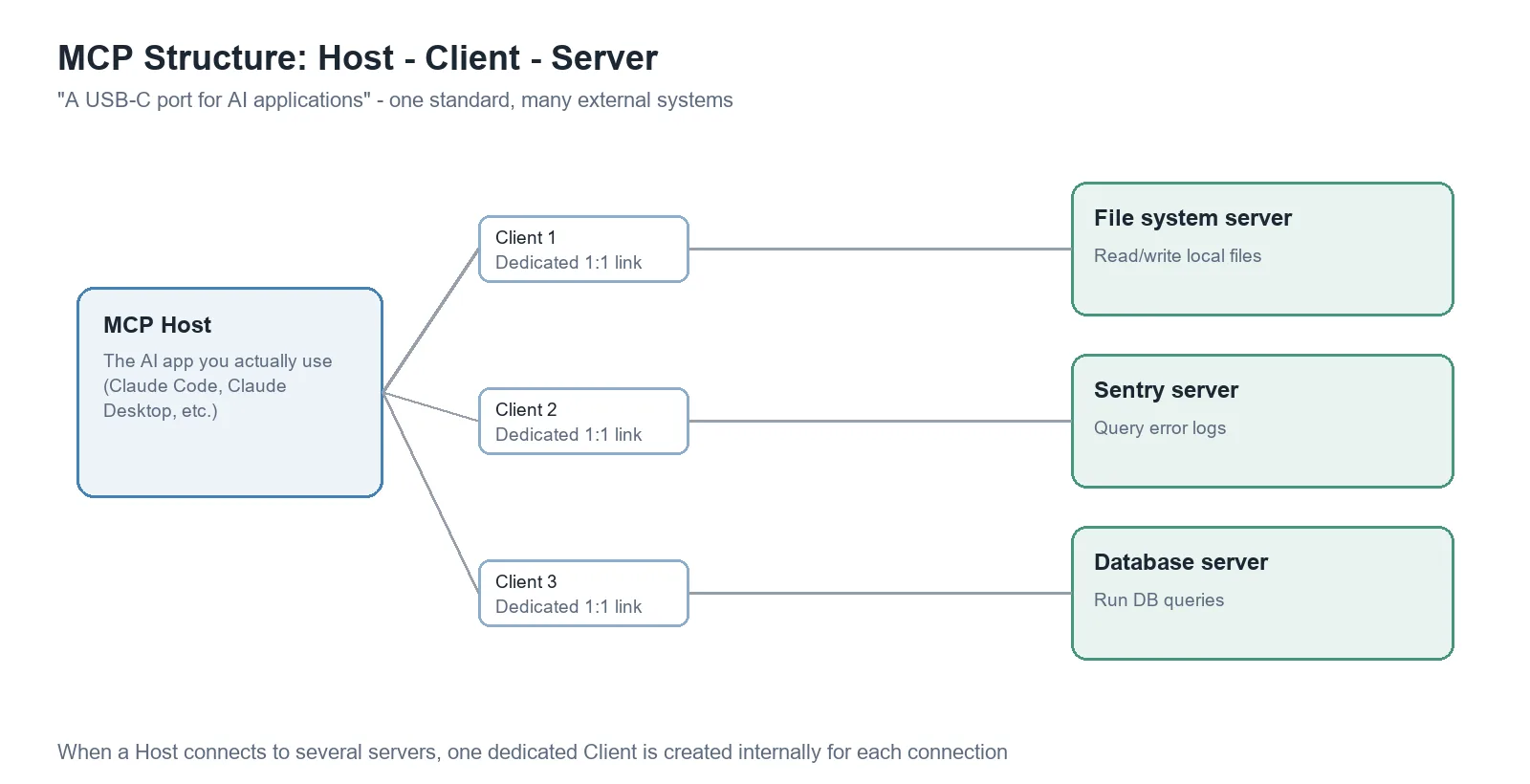
An overview of MCP (Model Context Protocol), the open standard for connecting AI applications to external tools and data — its concept, structure, and origin.
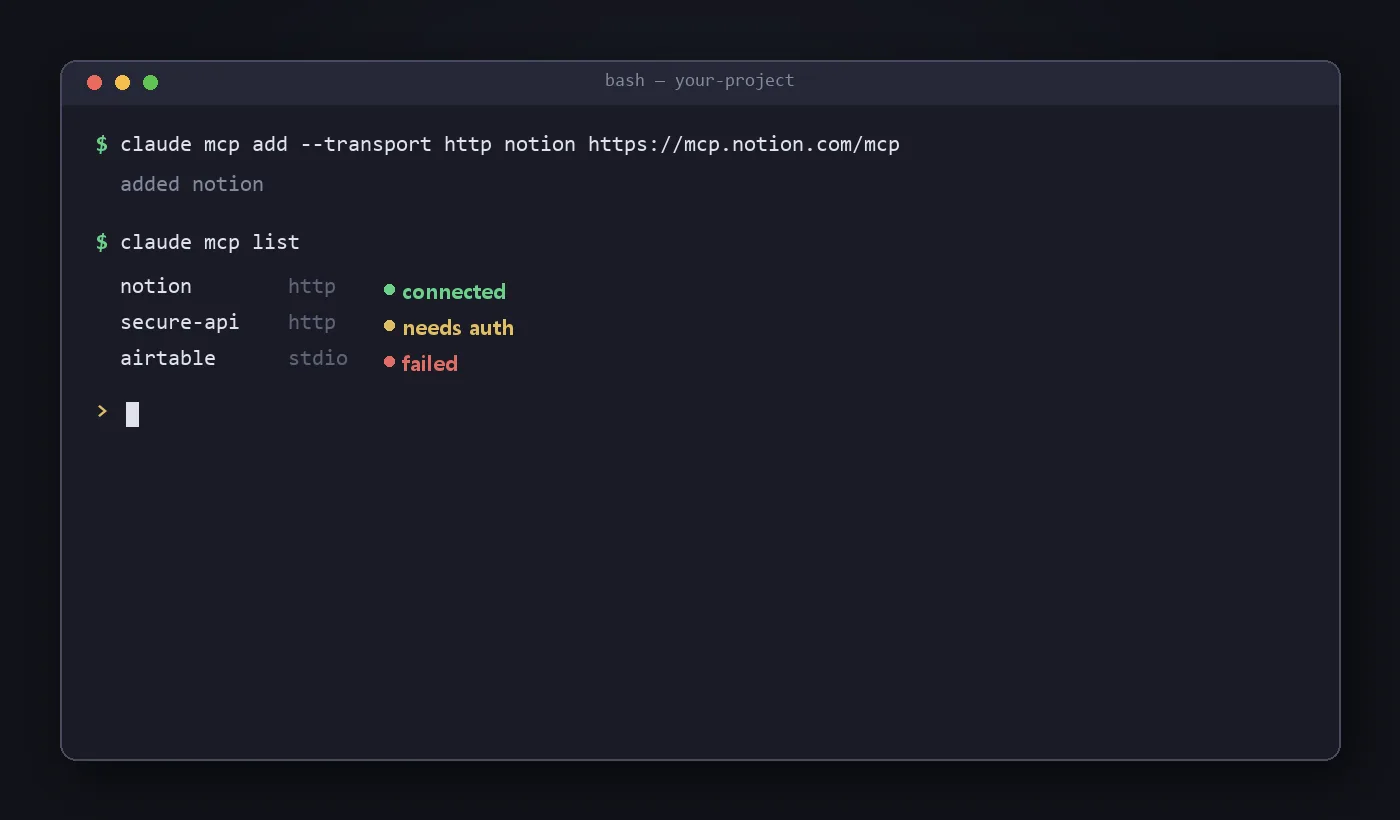
What an MCP server actually does and how to connect one to Claude Code, based on official documentation's command examples.
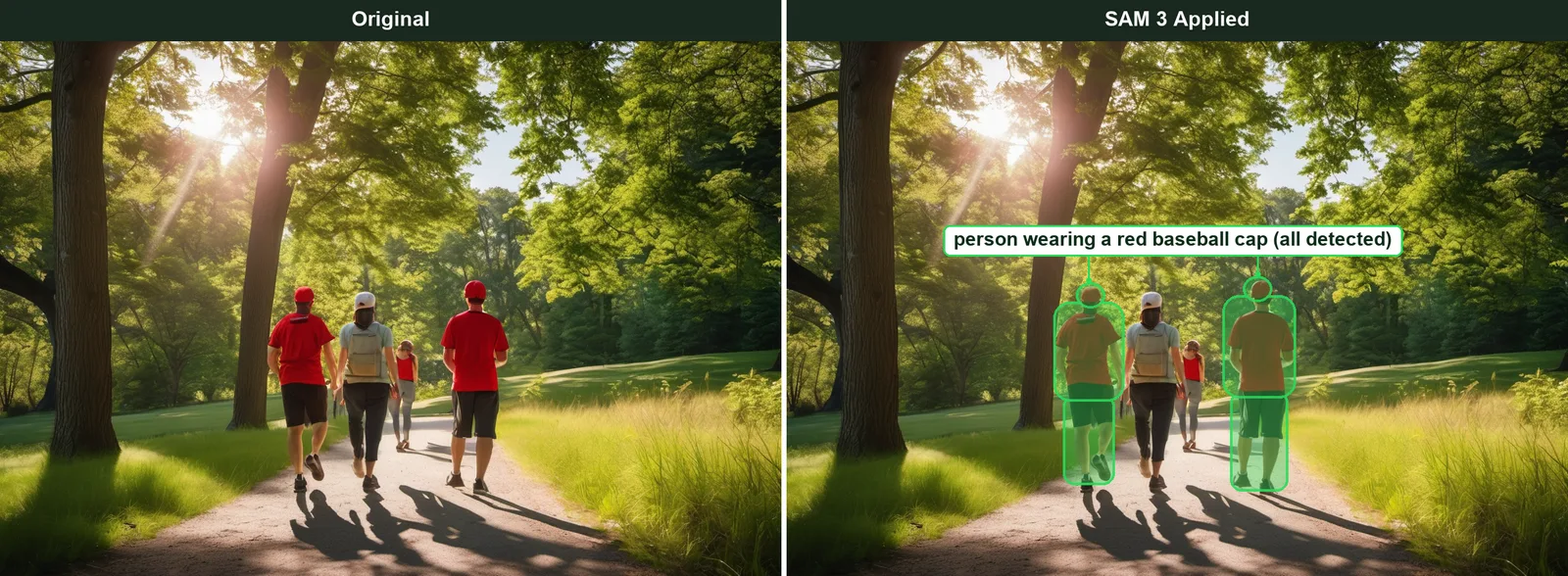
Meta AI Research released SAM 3, which segments and tracks every instance matching a concept specified via text or image examples.
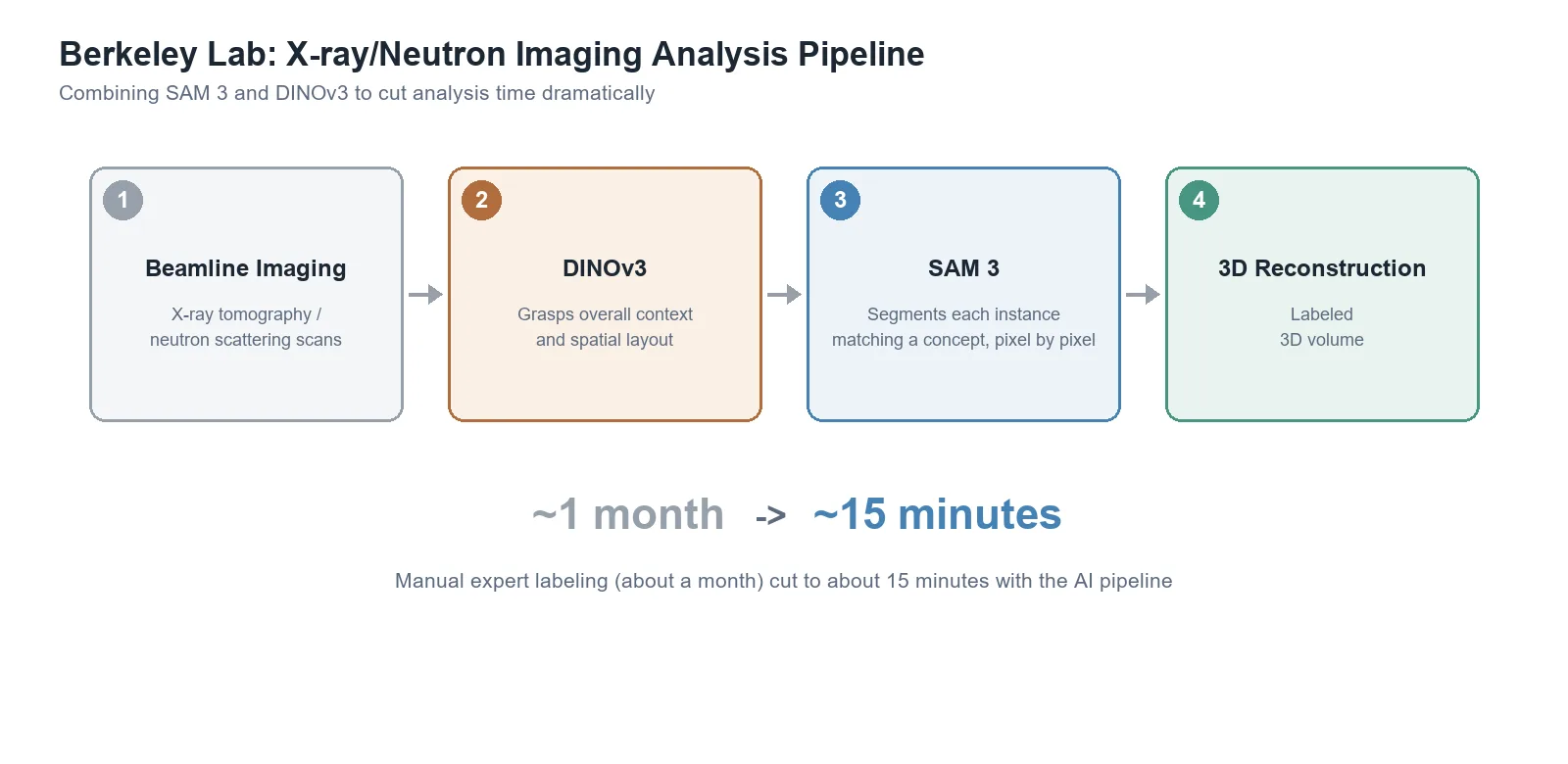
The Department of Energy's Berkeley Lab is running the SYNAPS-I project, using Meta's open-source vision models SAM 3 and DINOv3 to dramatically speed up beamline scientific imaging analysis.
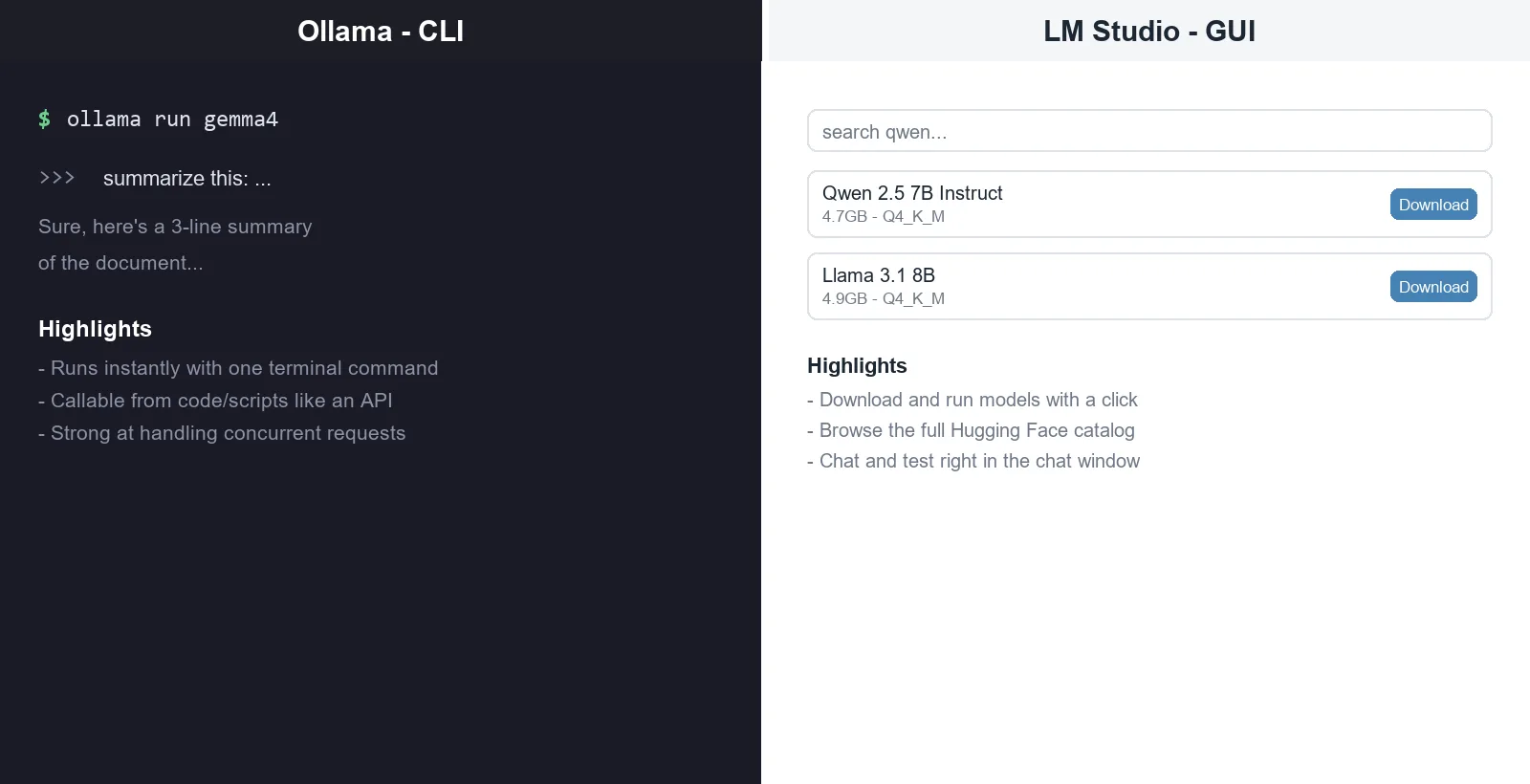
Comparing CLI-centric Ollama and GUI-centric LM Studio on install difficulty, performance, and use case.
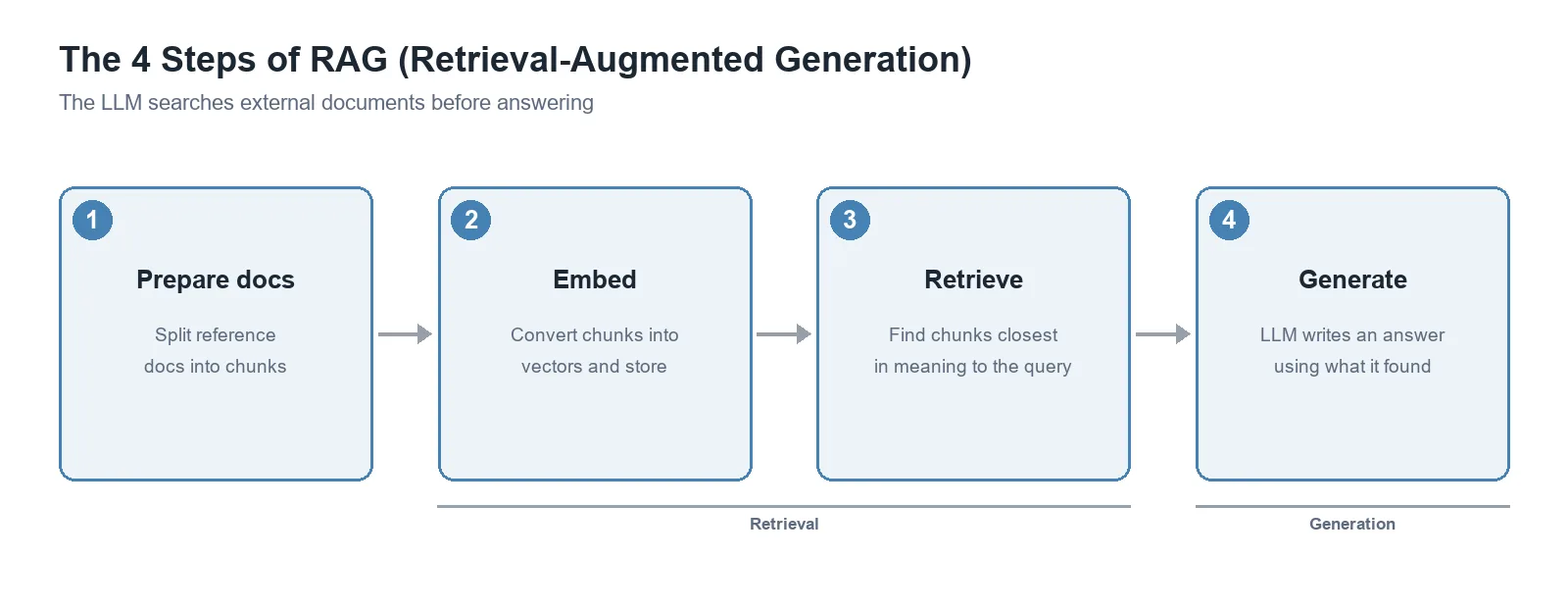
How RAG (Retrieval-Augmented Generation) lets an LLM incorporate recent information or internal documents it didn't see during training into its answers.
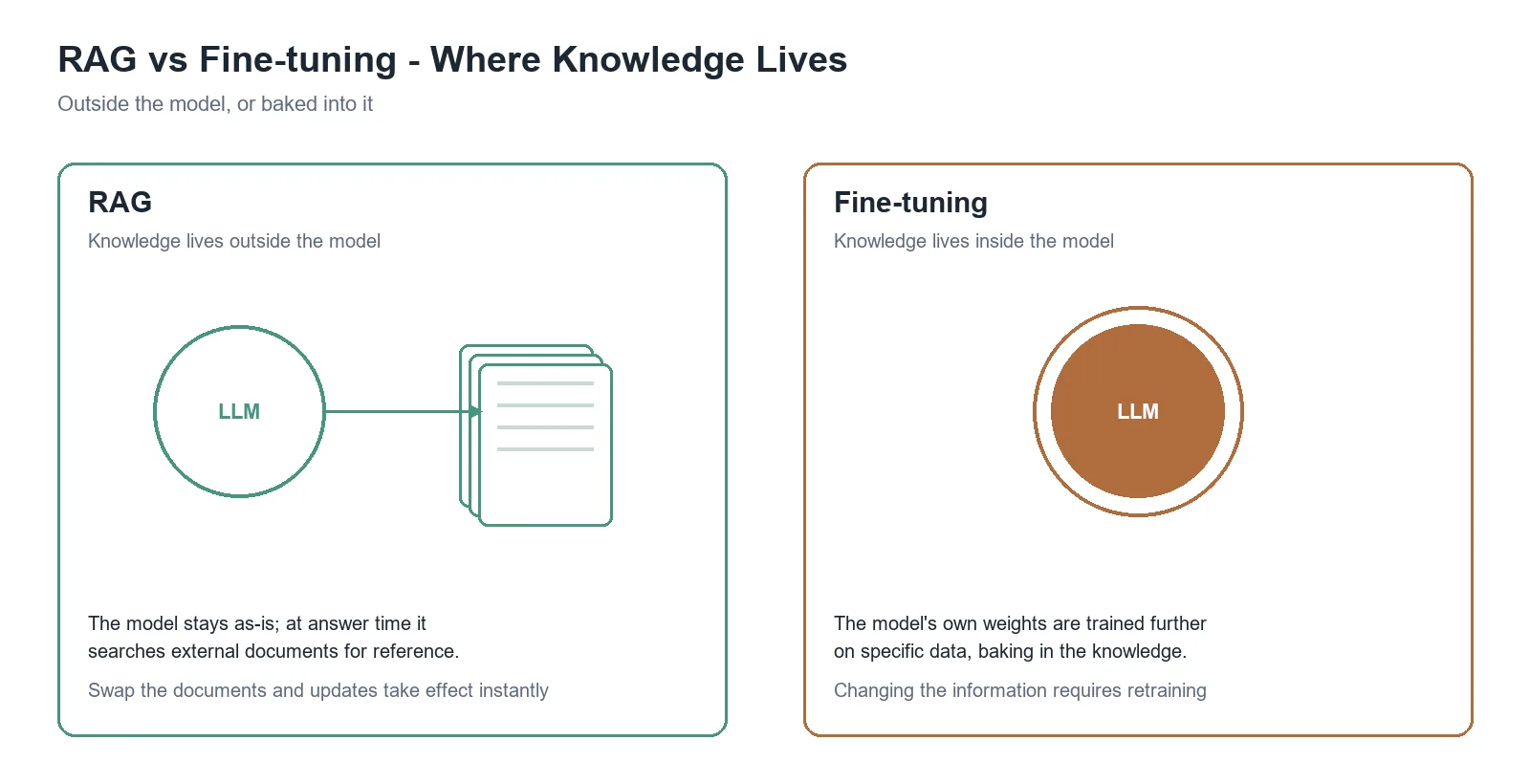
Comparing RAG and fine-tuning, the two main ways to adapt an LLM for a specific purpose, and which situations each fits.
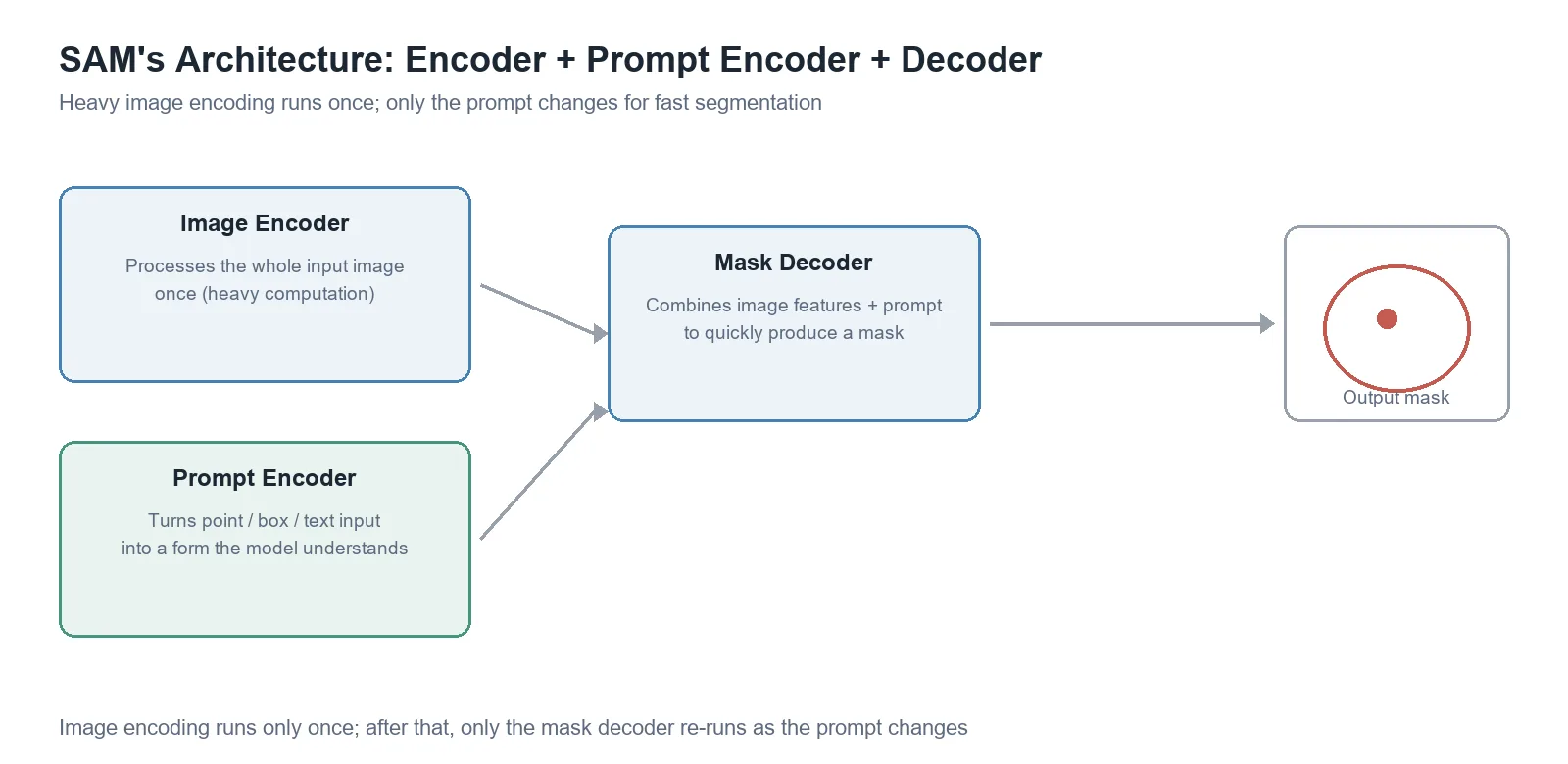
The encoder-decoder architecture and prompt-based approach behind Meta AI's general-purpose segmentation model SAM, and how it evolved into SAM 2 and SAM 3.
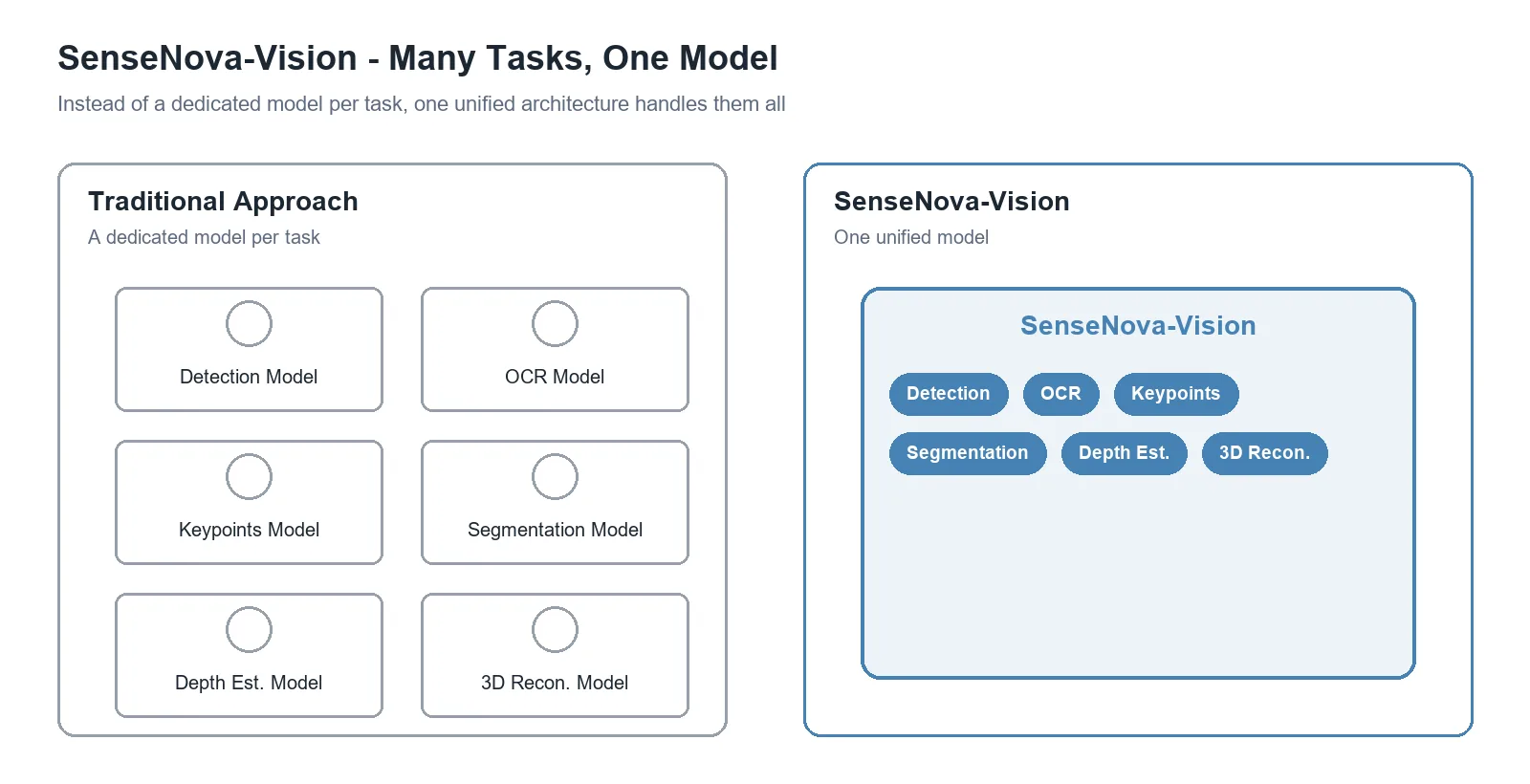
Chinese AI company SenseTime has open-sourced SenseNova-Vision, a single model that handles detection, segmentation, depth estimation, and 3D reconstruction.
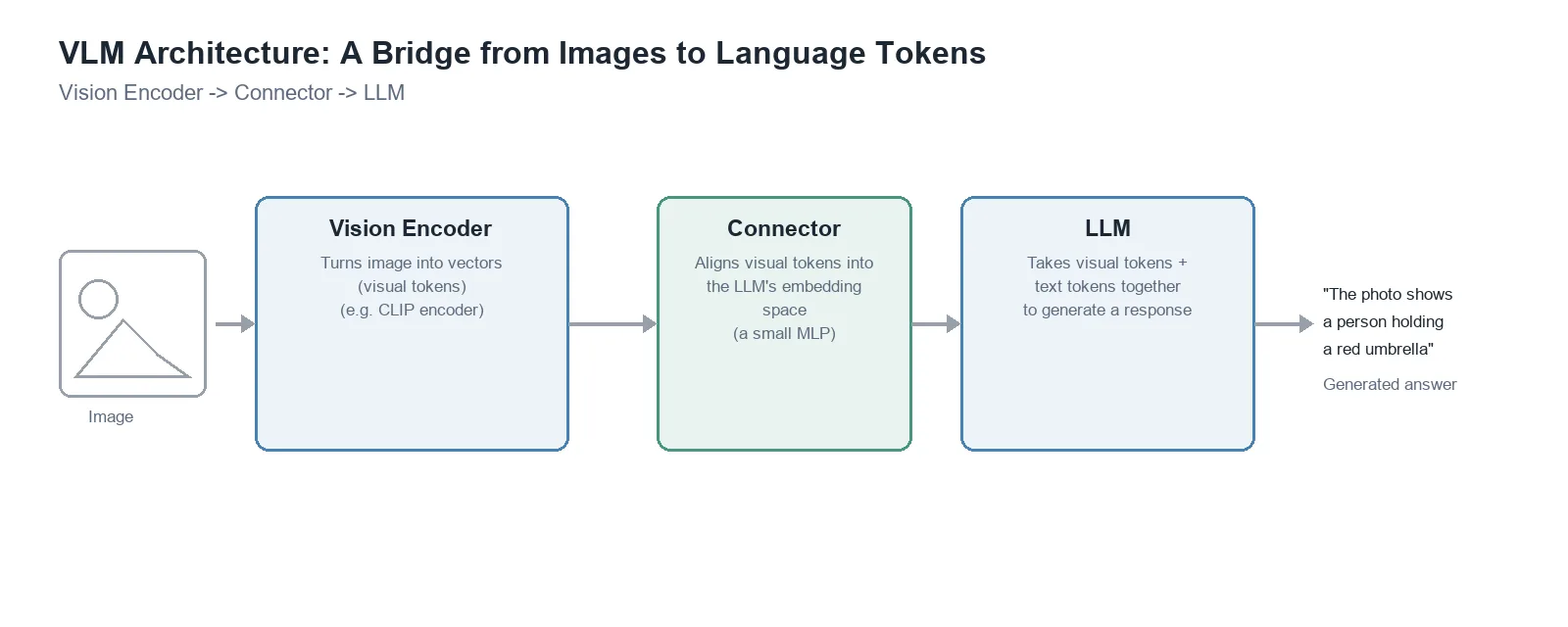
How Vision Language Models (VLMs), which understand images and text together, work through architectures like CLIP and LLaVA.
The US government invited major AI companies to a White House meeting to discuss a voluntary framework for AI model safety testing.
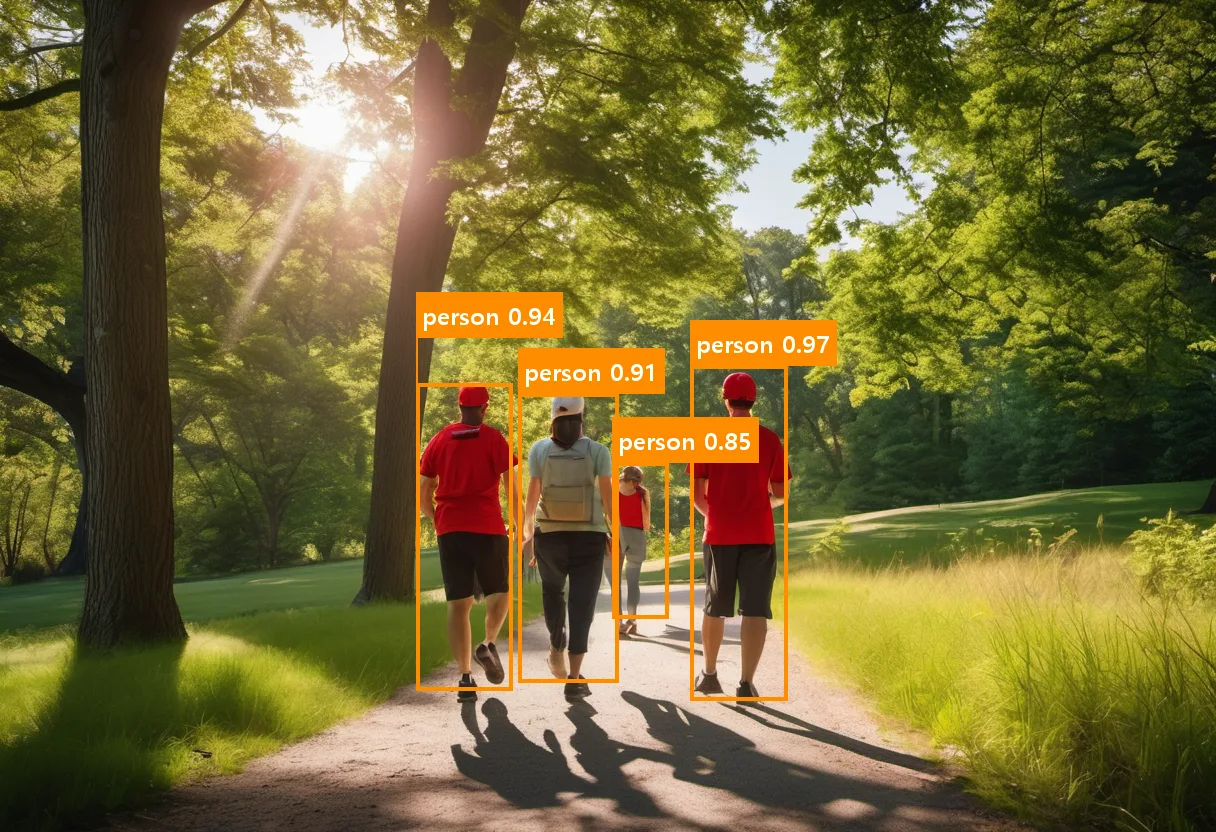
The core idea behind YOLO, which processes an image in a single forward pass to predict object locations and classes at once, and the architectural changes in the latest YOLO26.
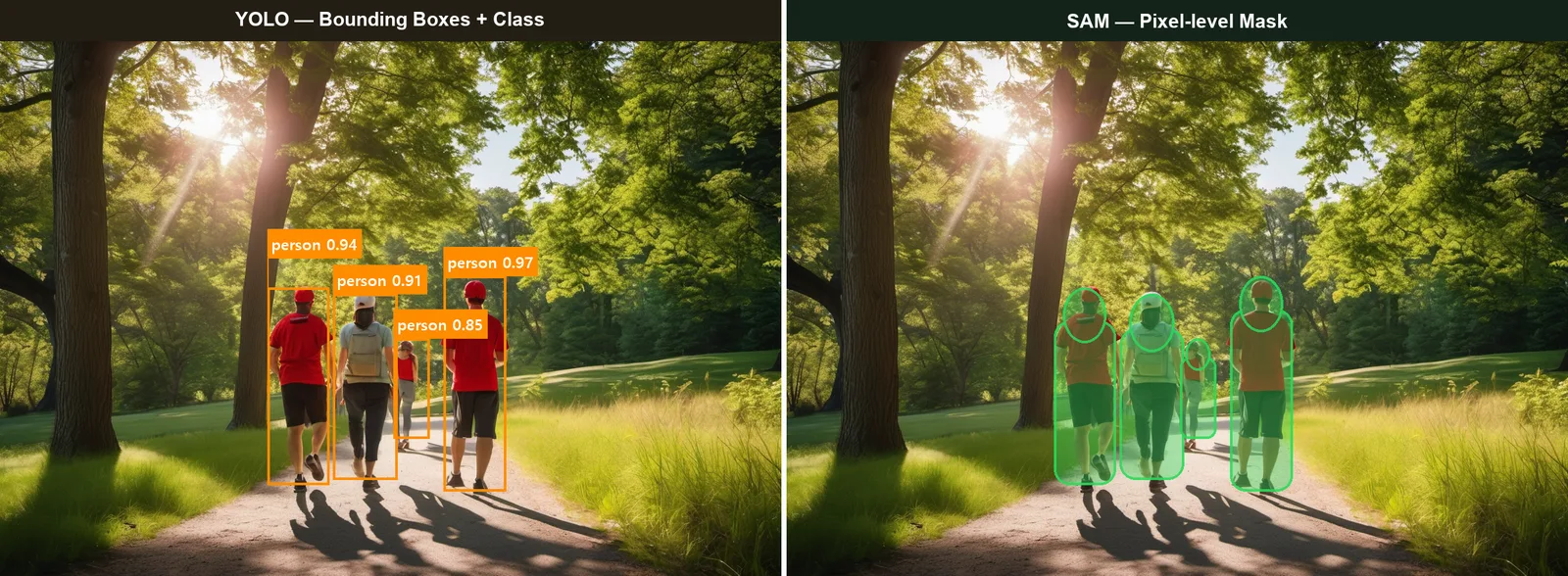
YOLO and SAM solve different problems in computer vision. Here's how they compare, and when to reach for each one.
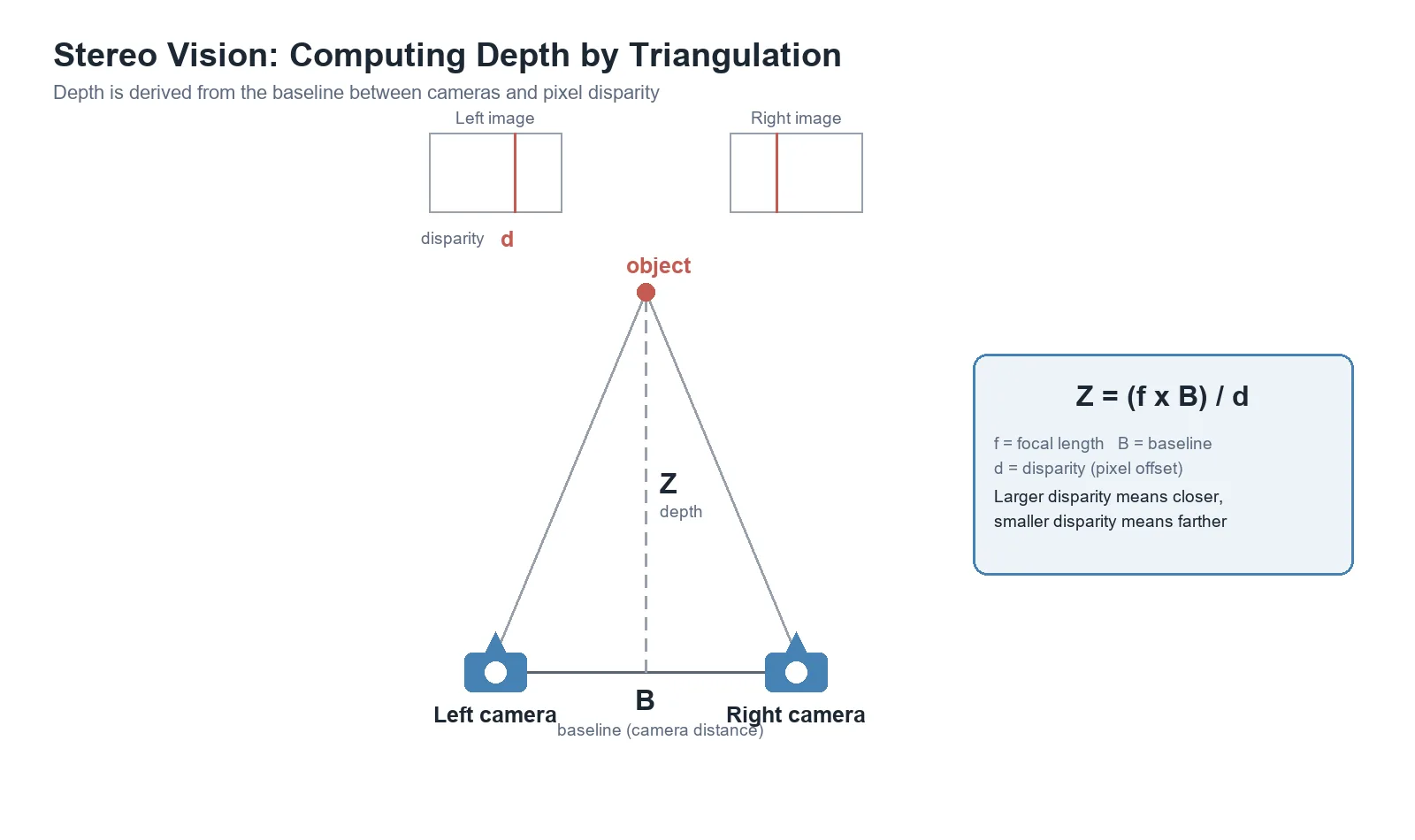
A walkthrough of the triangulation principle behind stereo vision, and the pipeline required to turn two camera images into depth.
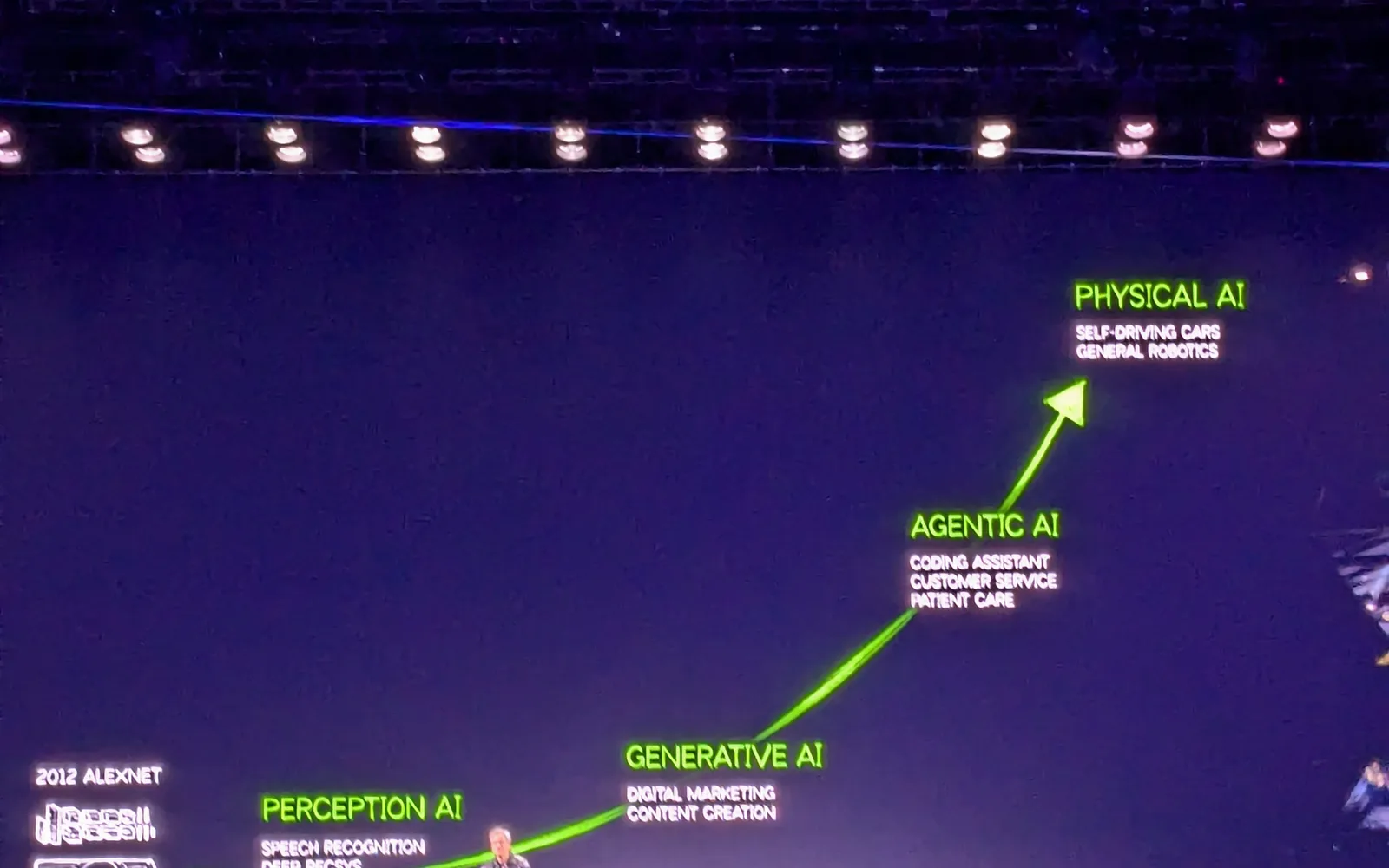
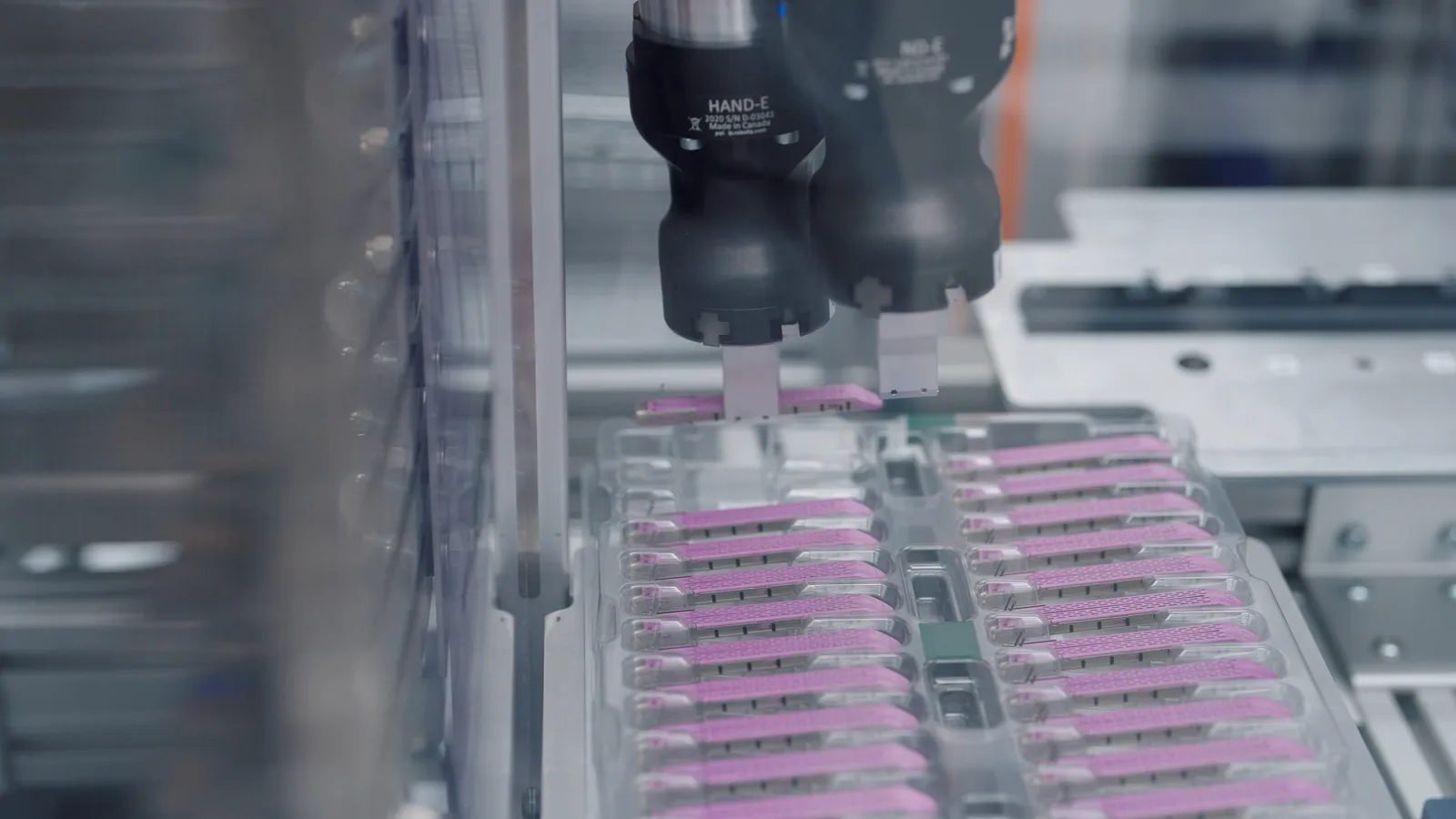
A breakdown of how Physical AI differs structurally from generative AI, and where it's actually used in robotics and autonomous systems.