AI
What Is a Vector Database? How It Differs From a Regular Database
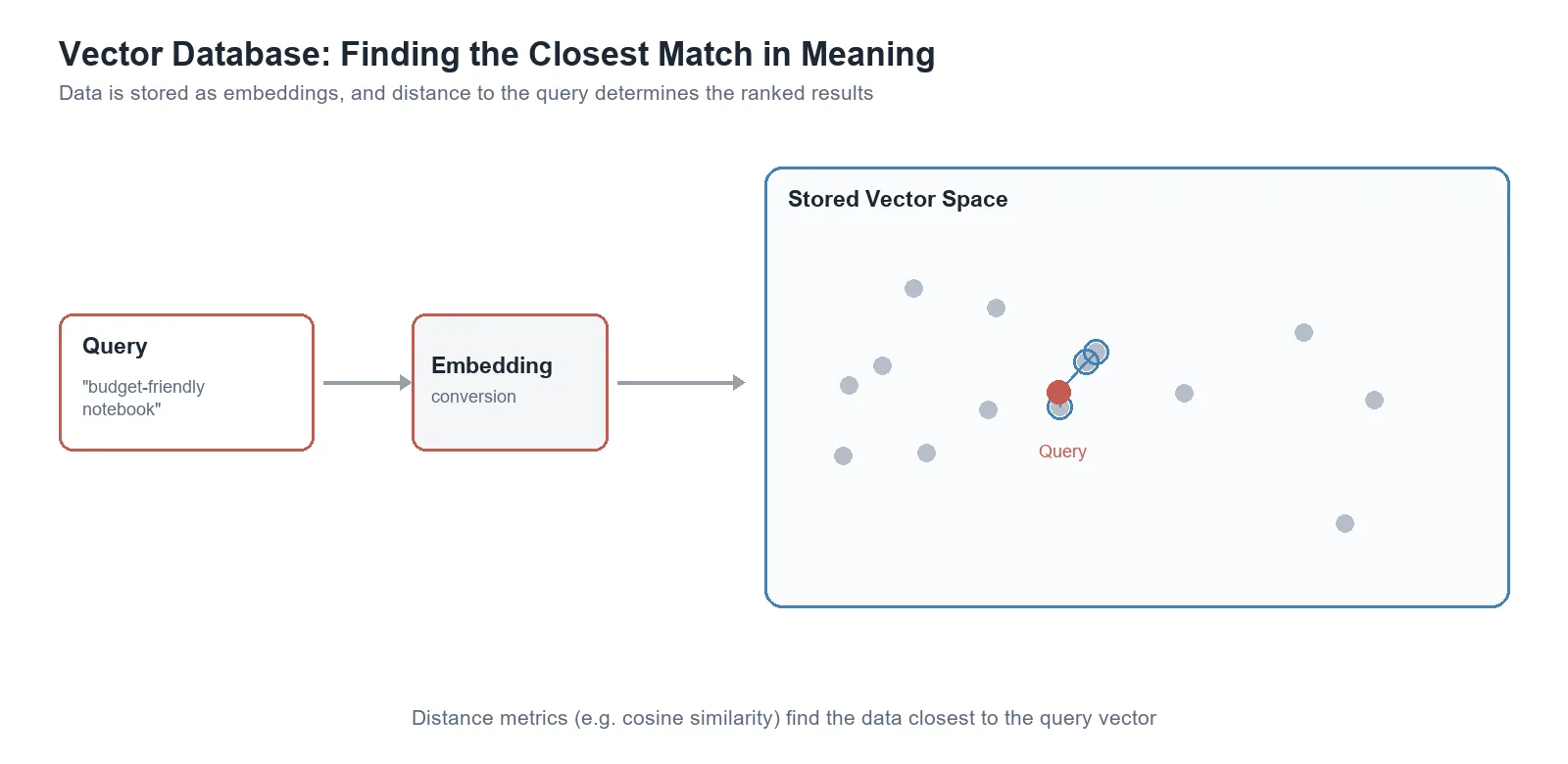
How a Vector Database searches data by meaning rather than exact match, centered on the concepts of Embedding and similarity search.
Covering the principles and practical use of generative AI: LLMs, AI agents, RAG, and AI automation.
A technical knowledge hub covering AI and Computer Vision
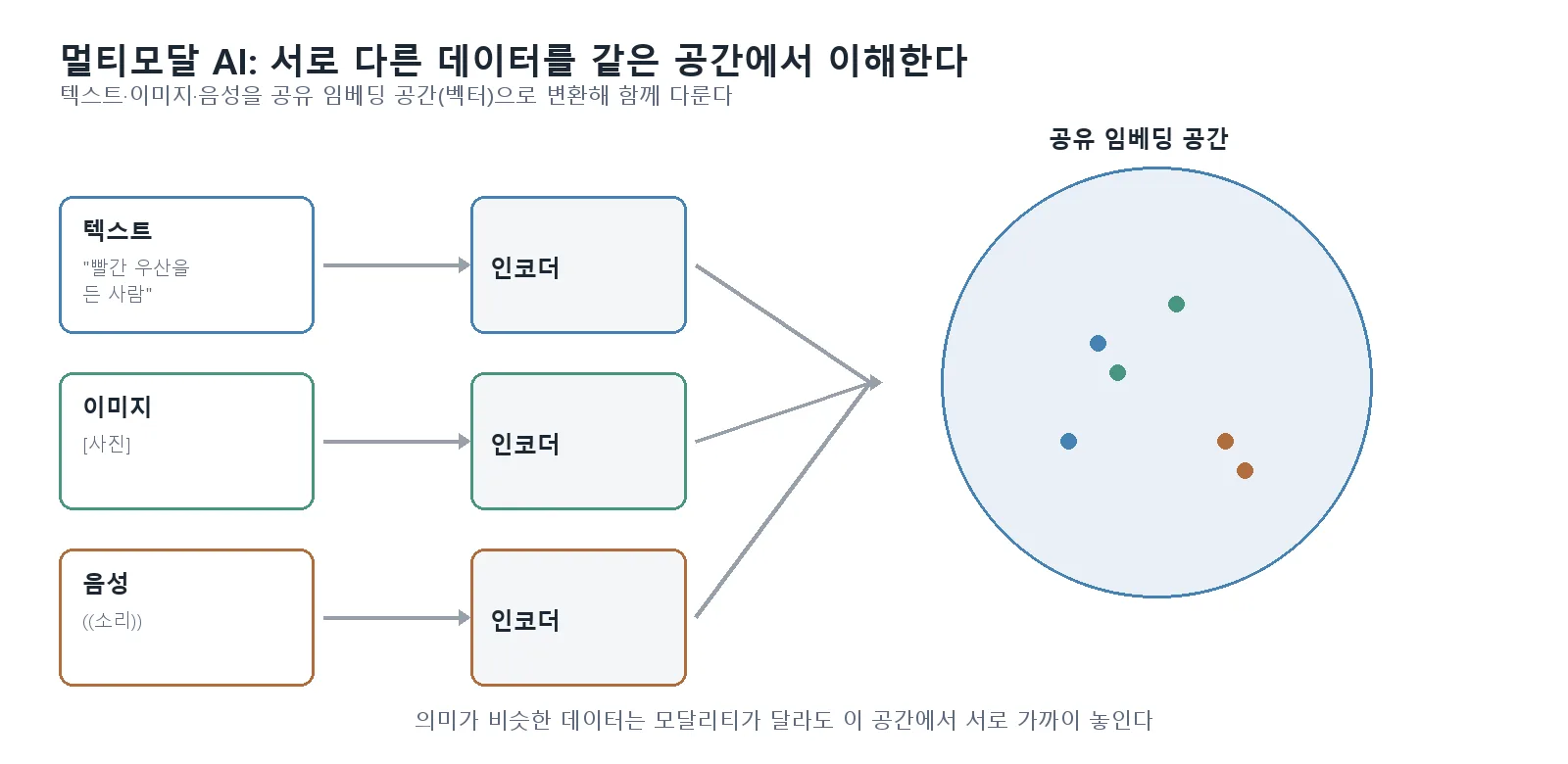
How multimodal AI lets a single model understand text, images, audio, and video at once, and the shared embedding space that makes it possible.
How a Vector Database searches data by meaning rather than exact match, centered on the concepts of Embedding and similarity search.
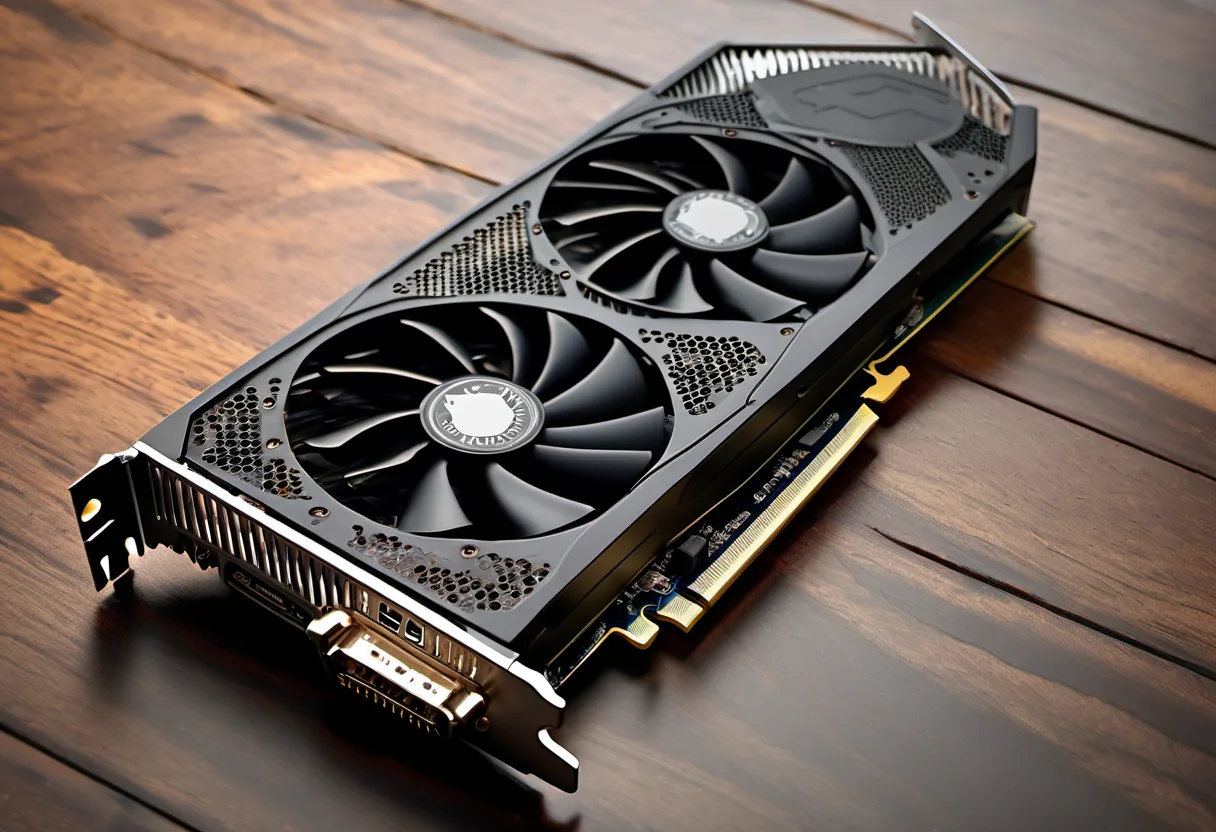
As GPU prices surge, GPU rental (Cloud GPU) services have emerged as an alternative. Here's how the different types work, what technology powers them, and how to actually use them.
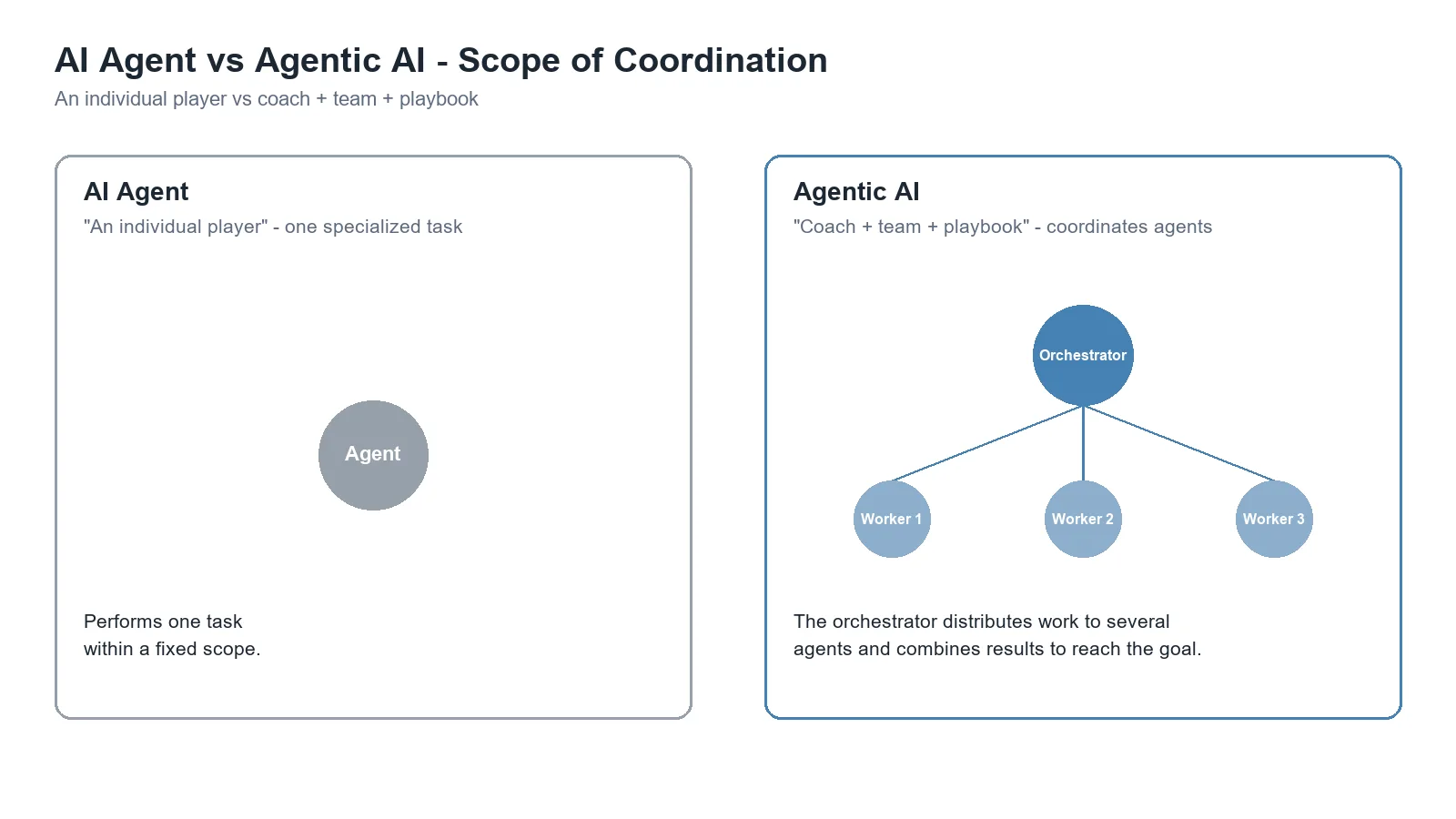
How the terms Agentic AI and AI Agent are actually used differently in practice, and why the distinction matters.
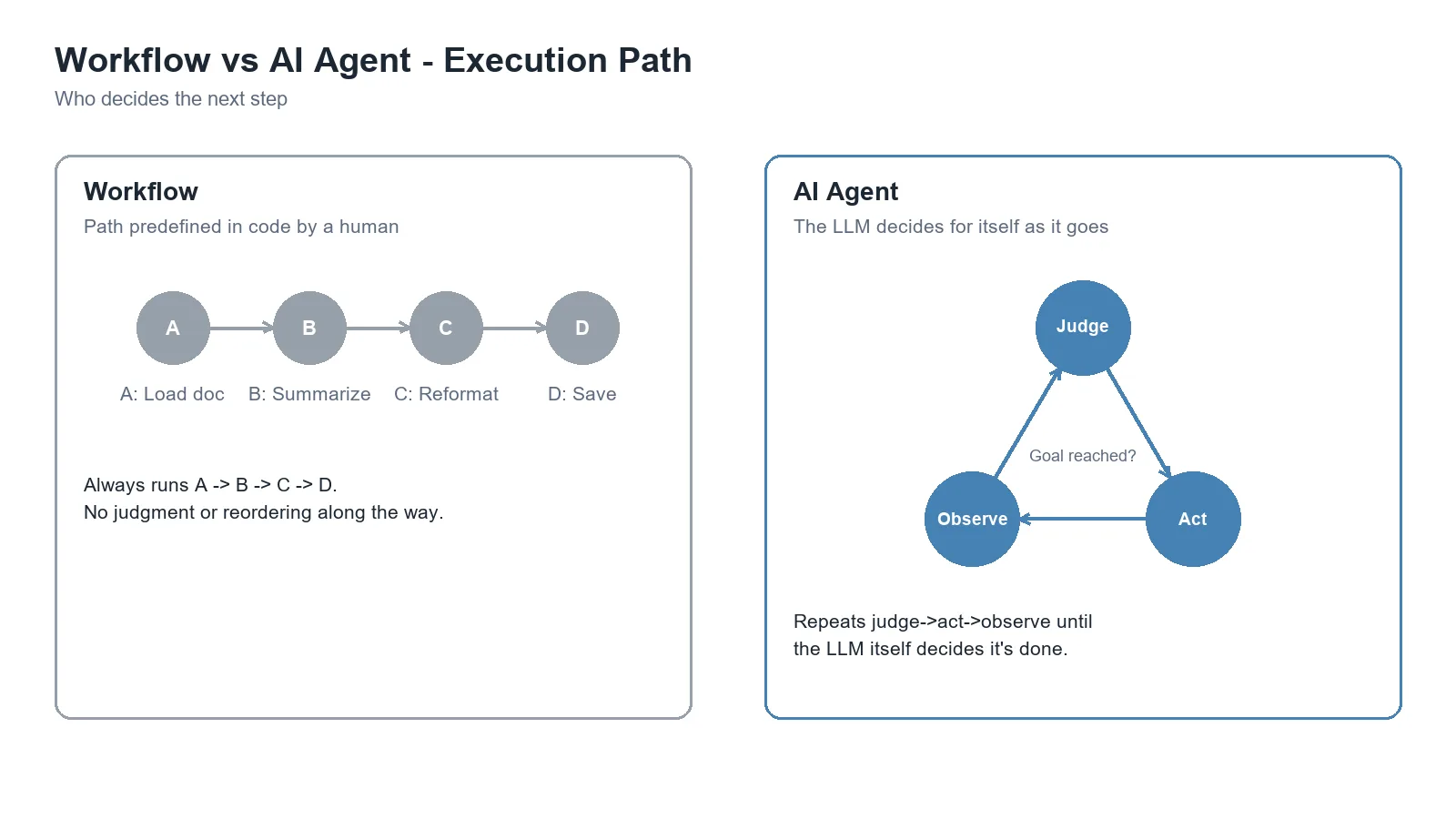
How an AI Agent differs from a general chatbot or LLM call, based on Anthropic's official definition, and when an agent is actually needed.
Why VRAM becomes the bottleneck when running LLMs on a GPU, and how VRAM usage changes with parameter count and quantization level.
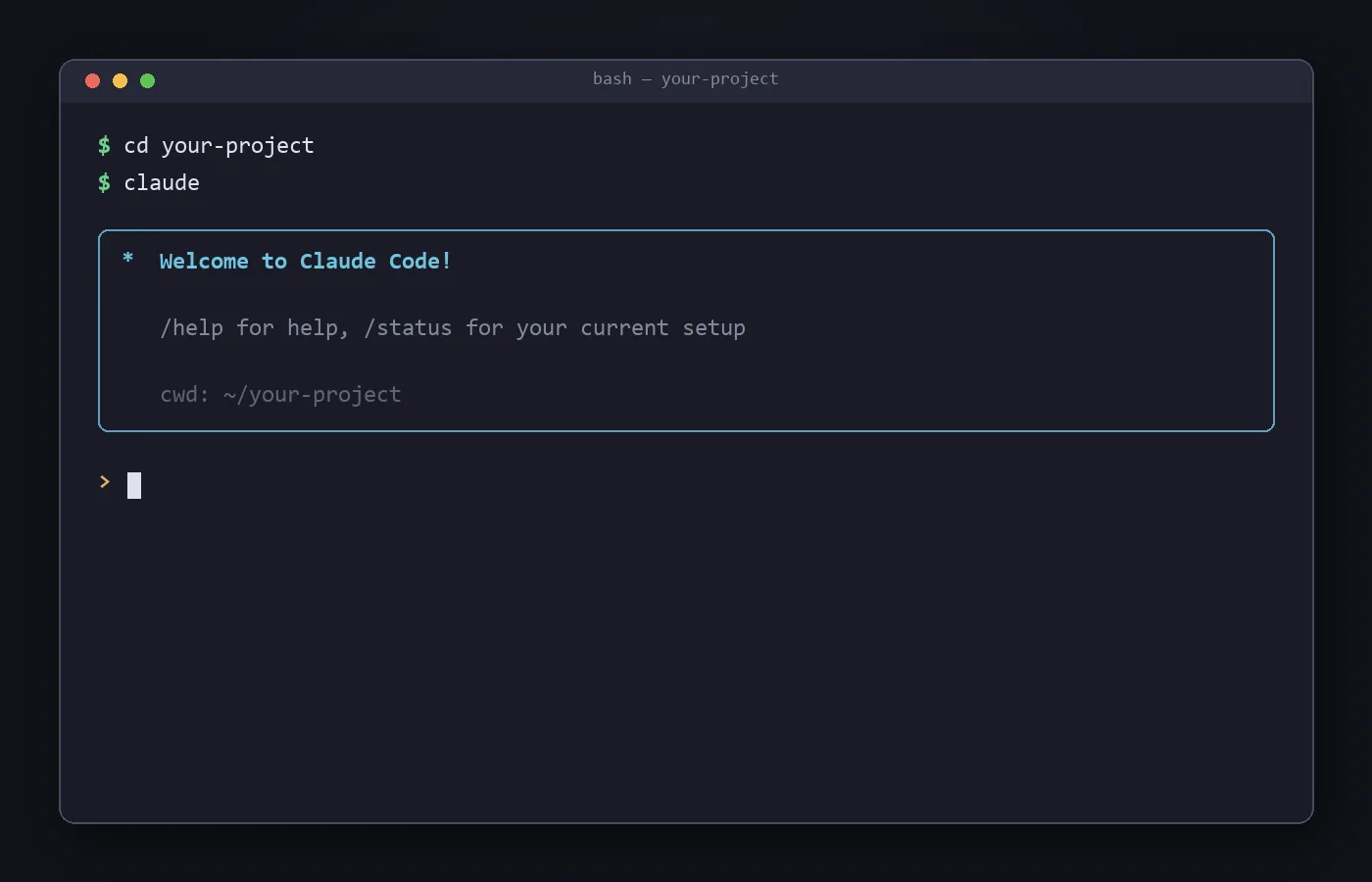
A rundown of Anthropic's agentic coding tool Claude Code — what it is, how to install it on each OS, its core features, and pricing — based on official documentation.
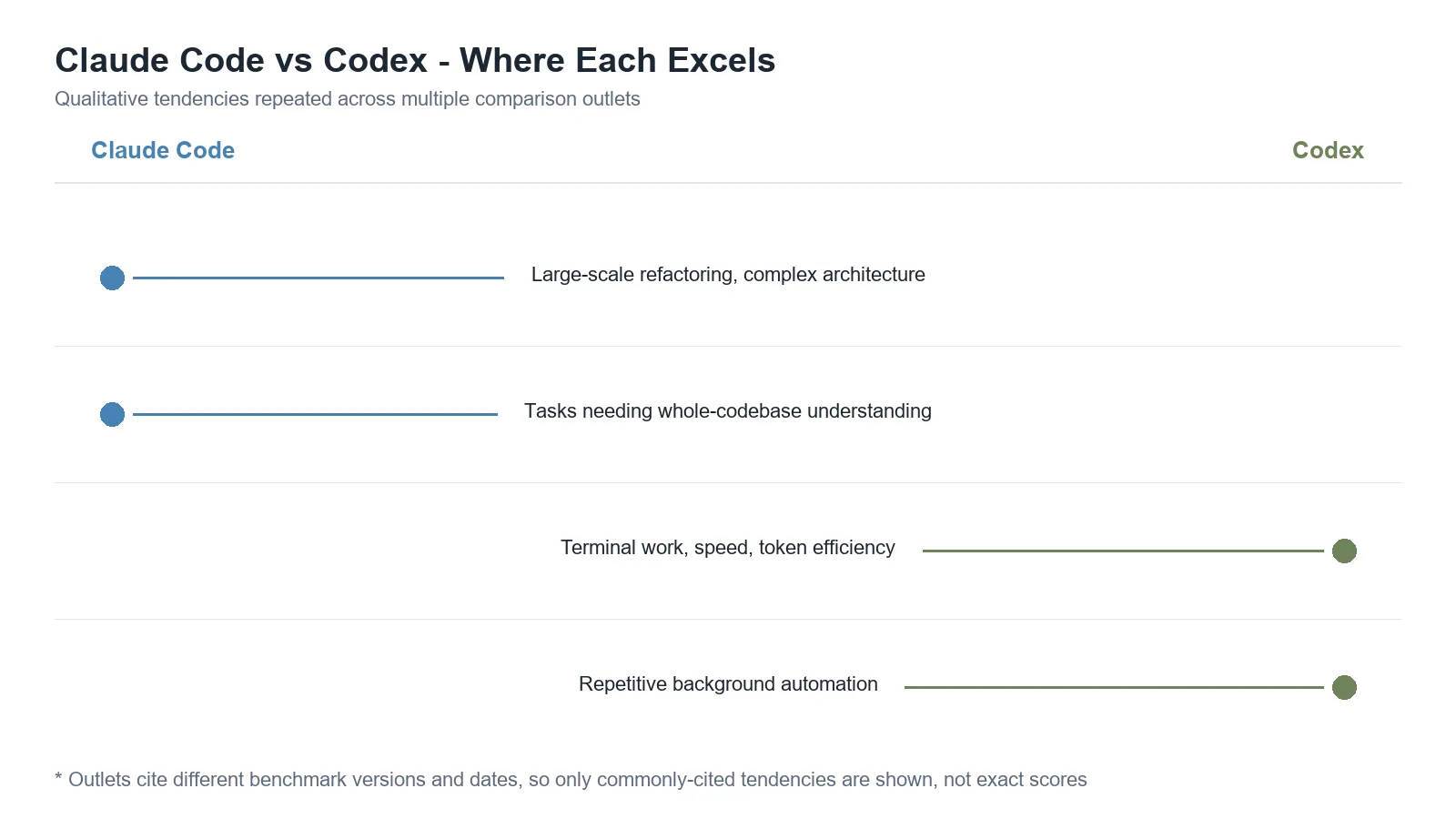
Comparing Anthropic's Claude Code and OpenAI's coding agent Codex on underlying models, pricing, features, and benchmarks.
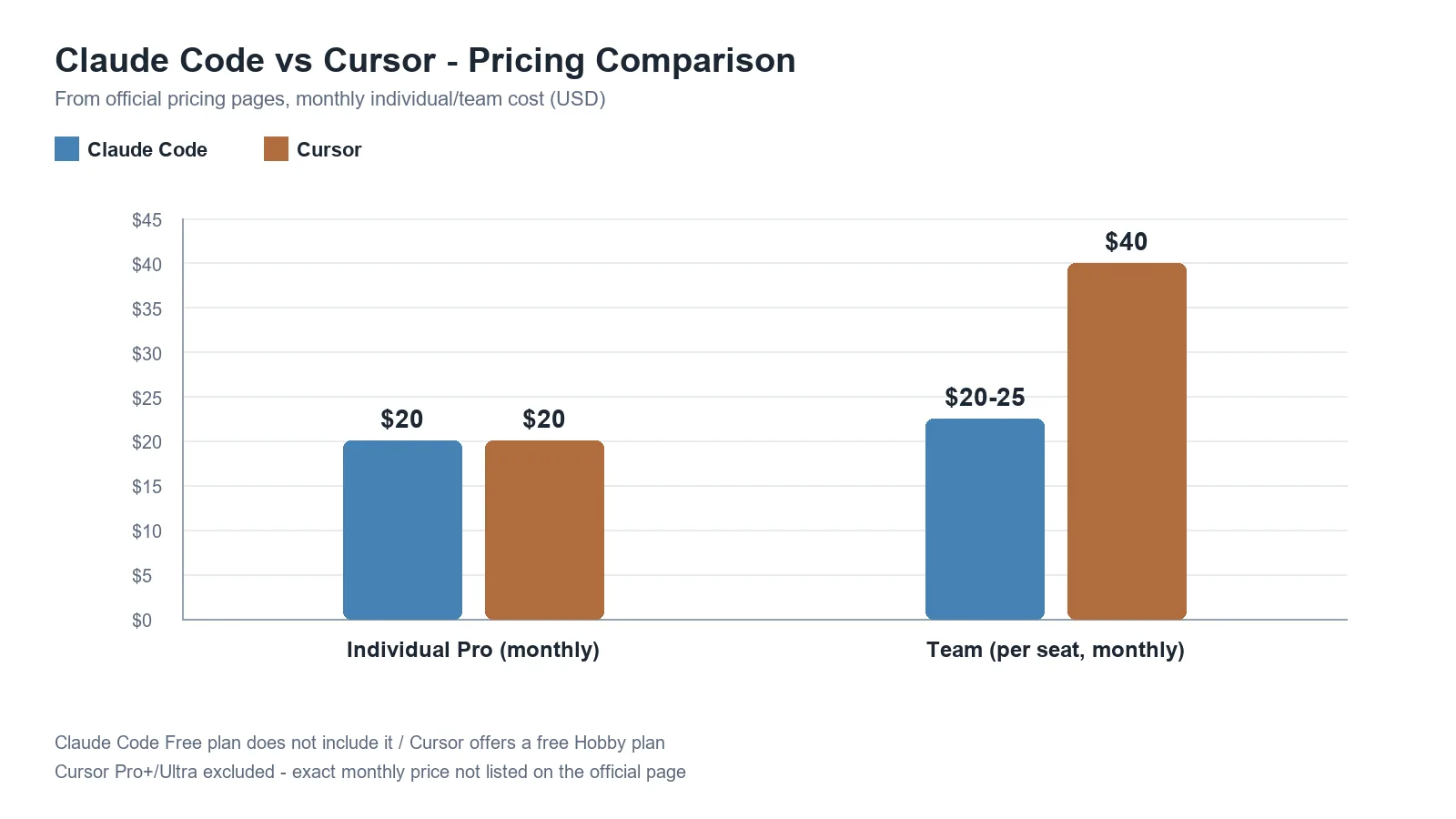
Comparing the terminal-based agent Claude Code and the IDE-based autocomplete tool Cursor on pricing, working style, and fit for different situations.
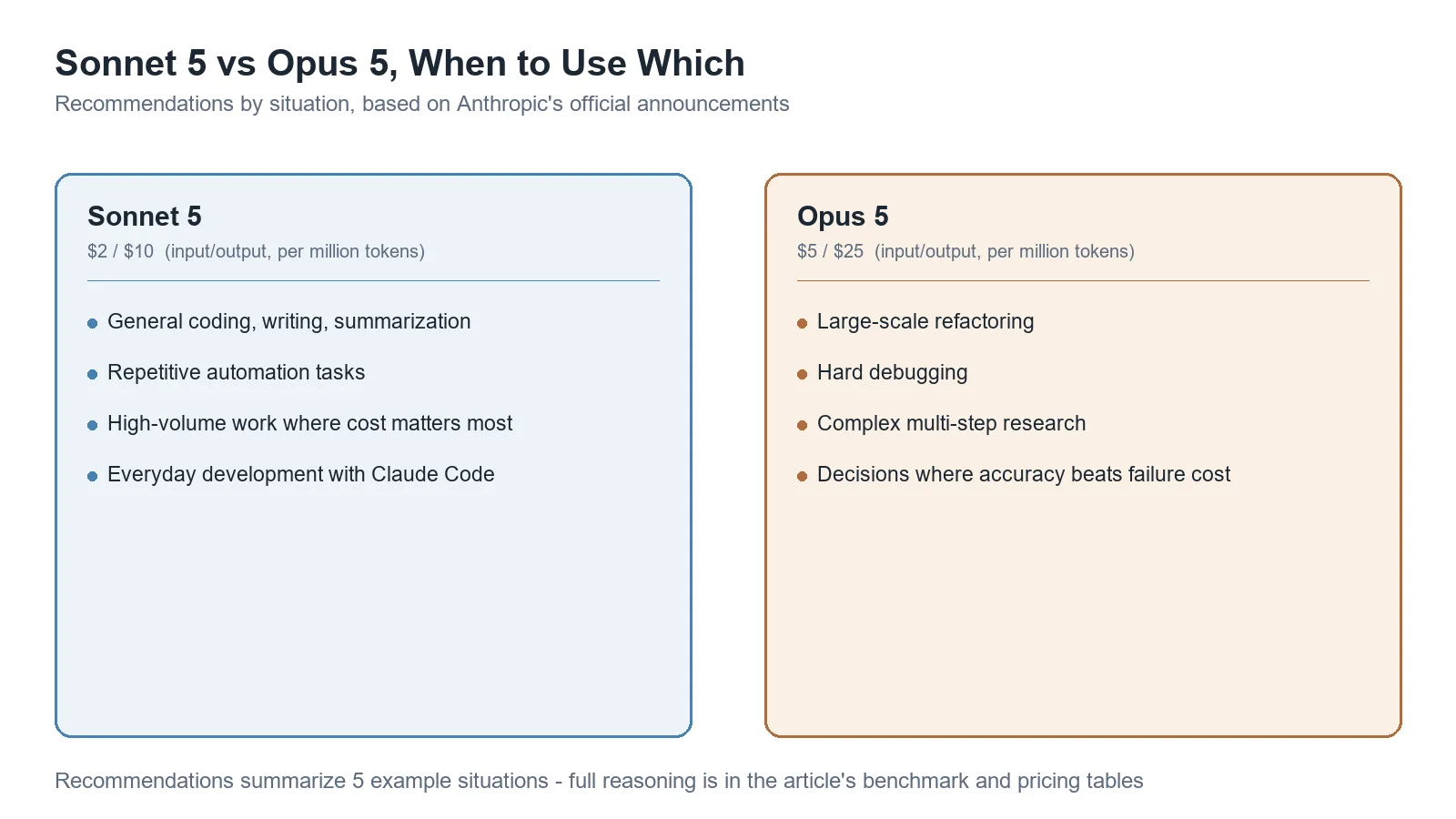
Comparing Anthropic's top-tier Opus 5 and mid-tier Sonnet 5 on price, performance, and use case, and which model fits which kind of task.
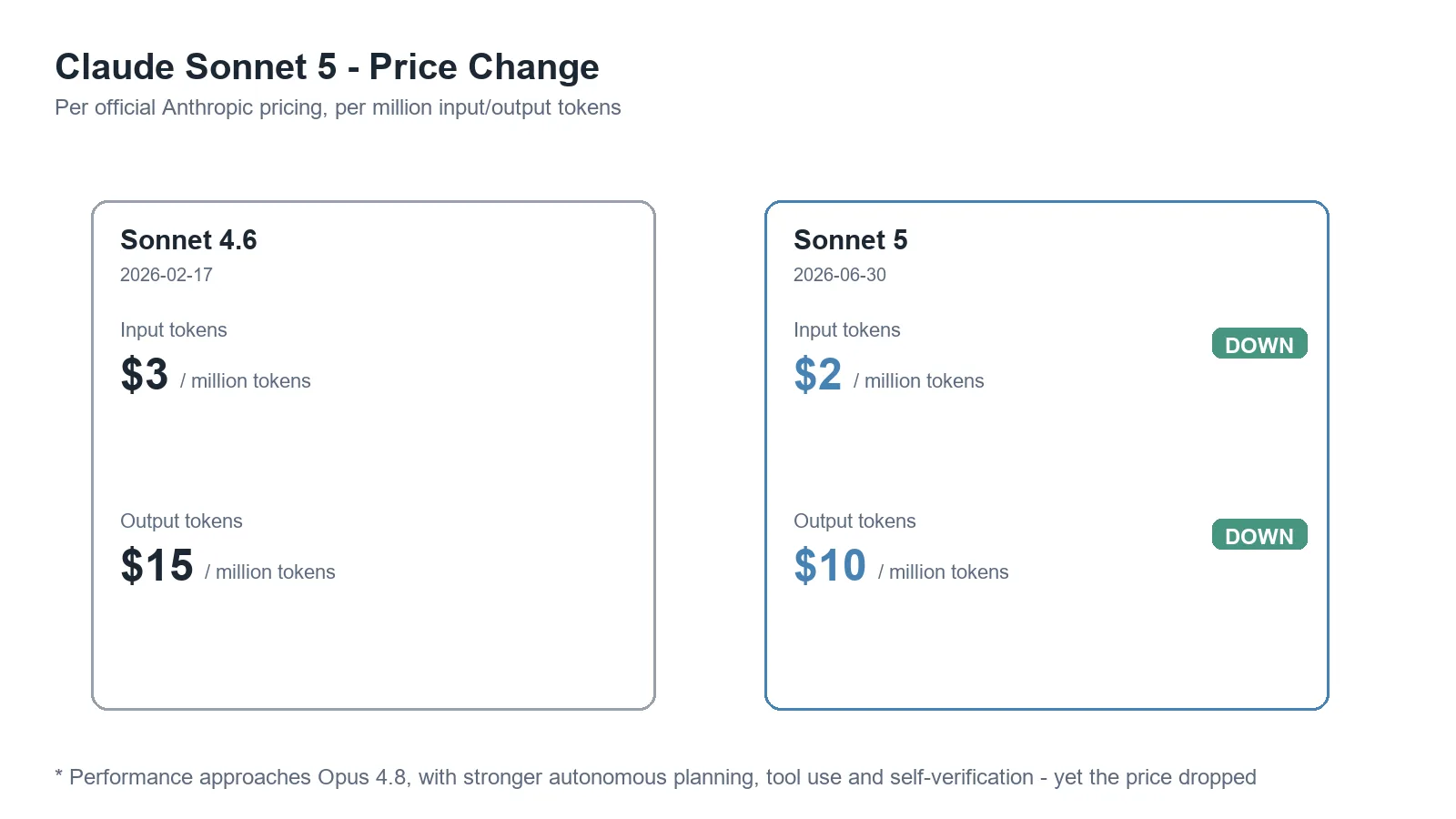
How Claude Sonnet 5, released by Anthropic in June 2026, differs from its predecessor Sonnet 4.6 in price, performance, and features, based on the official announcement.
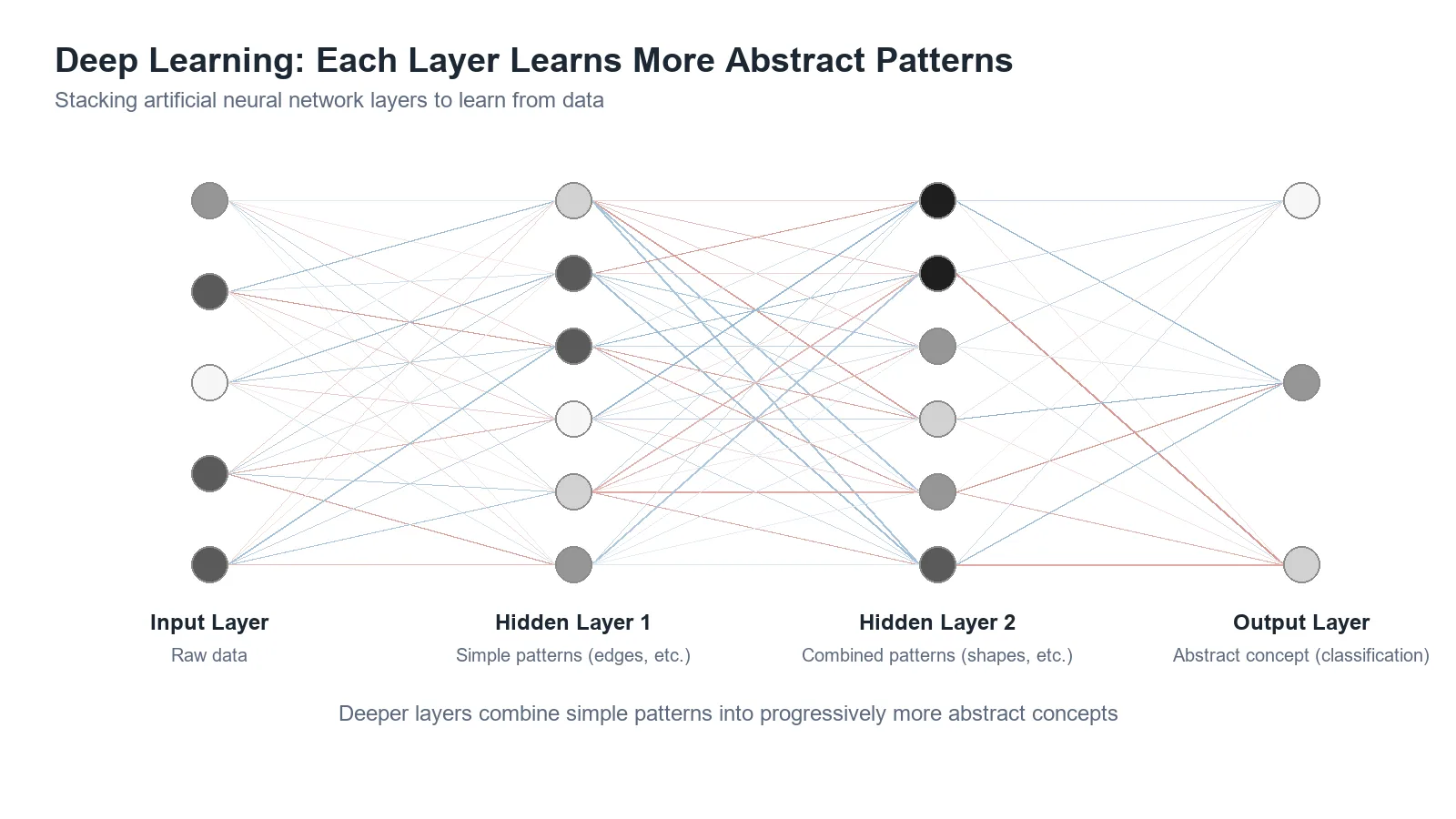
How deep learning stacks artificial neural networks in layers to learn unstructured data like images and text, and how it practically differs from machine learning.
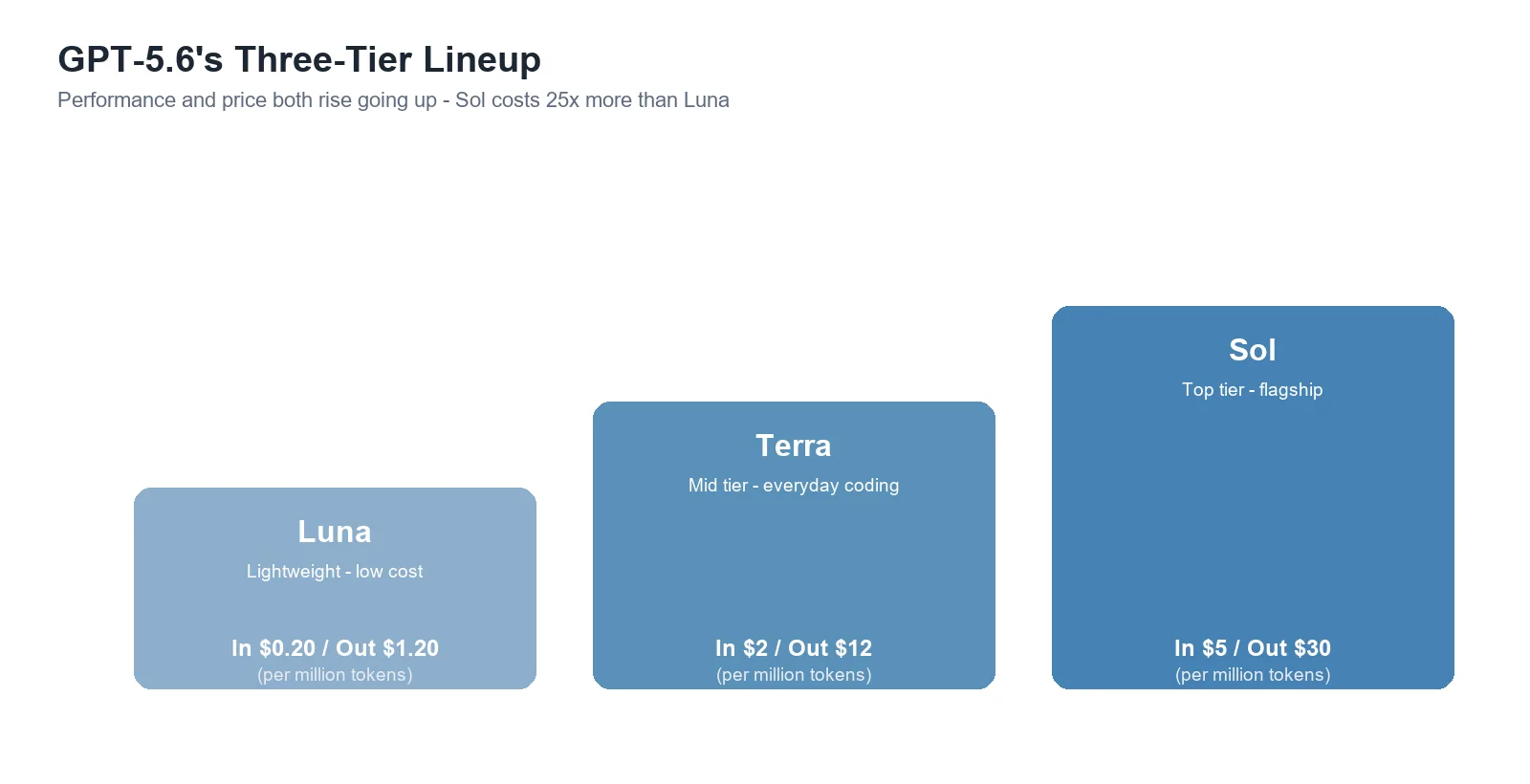
A rundown of GPT-5.6's three-tier lineup (Luna, Terra, Sol), pricing, and key performance improvements, released by OpenAI in July 2026.
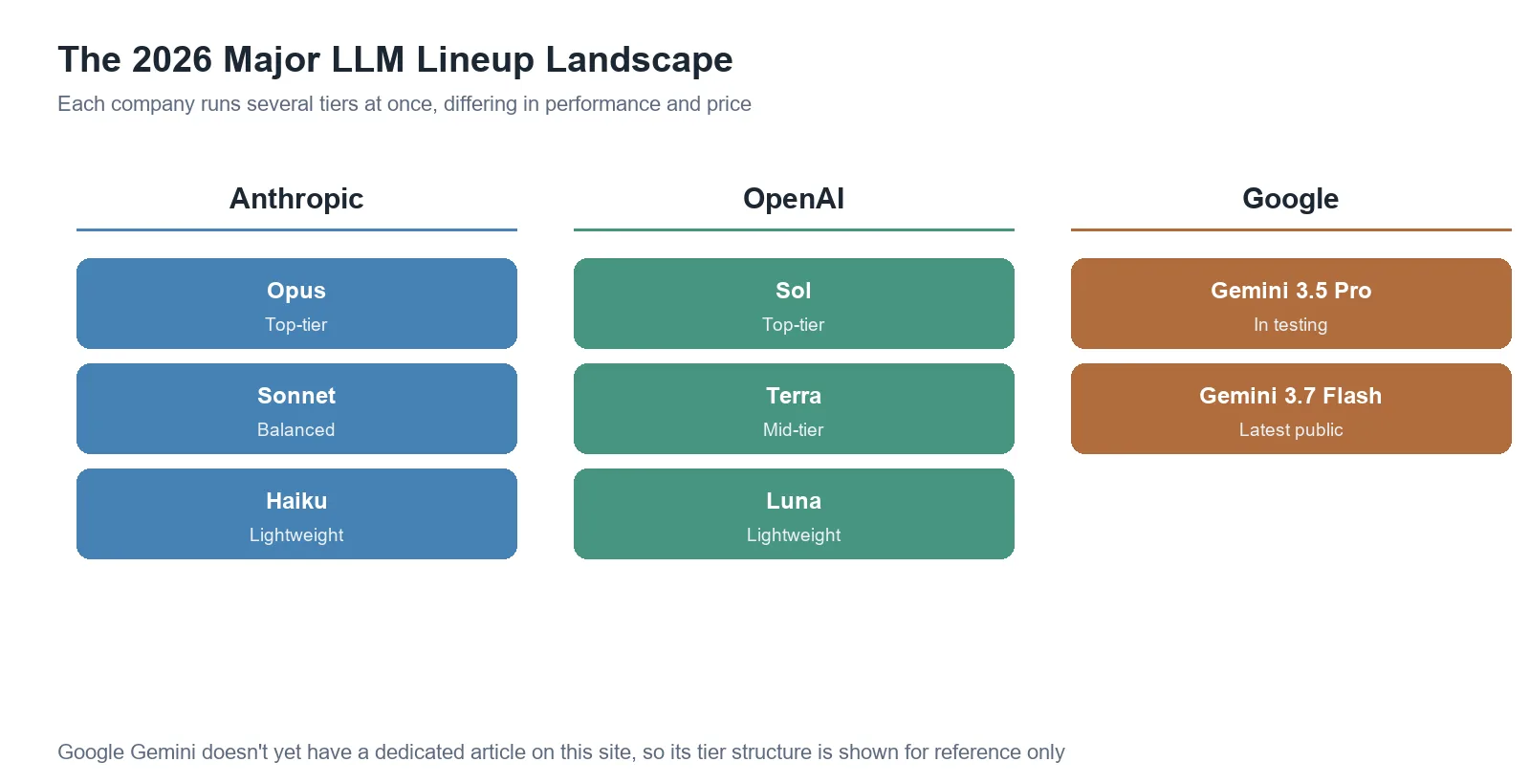
A single-page overview of the major LLM families — Anthropic Claude, OpenAI GPT, Google Gemini — linking out to this site's detailed articles on each model.
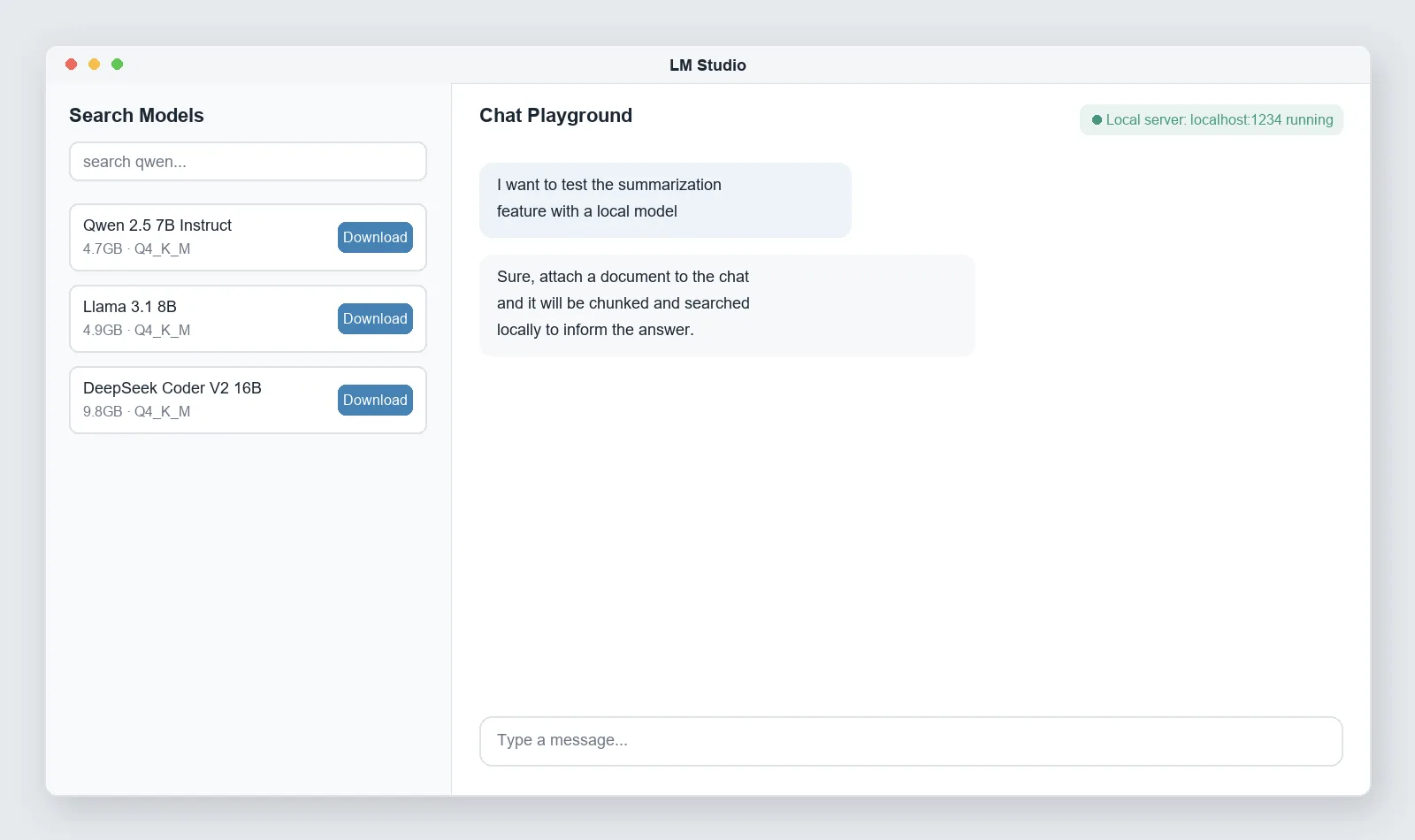
The core features and usage of LM Studio, a free desktop app for downloading and running local LLMs through a GUI.
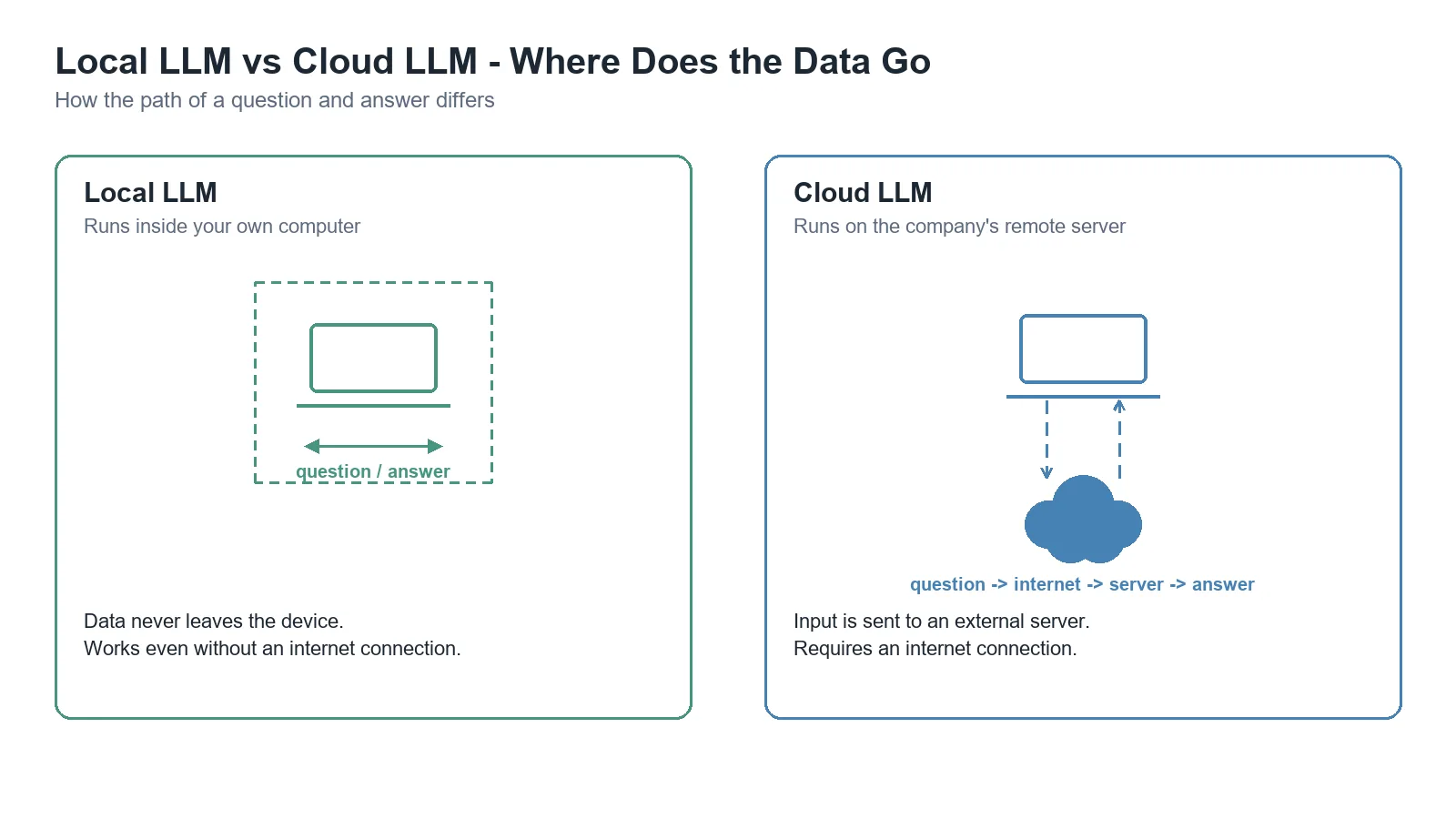
How a Local LLM running directly on your own computer differs from Cloud LLMs like ChatGPT and Claude, and when it's the better choice.
How much GPU VRAM you need by model size when running local LLMs with LM Studio or Ollama, and how to choose on a budget.
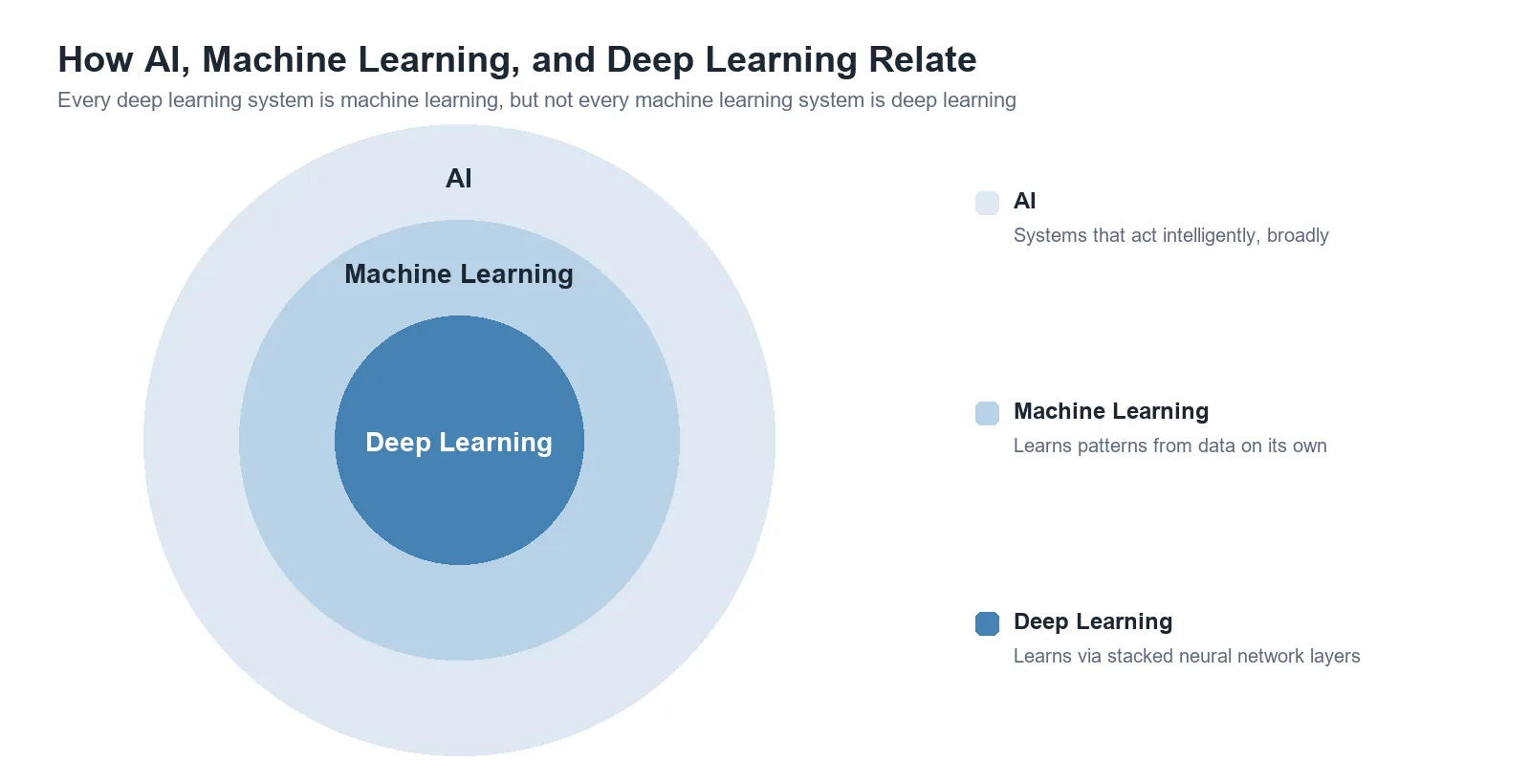
How AI, machine learning, and deep learning relate to each other, and how machine learning learns rules on its own from data.
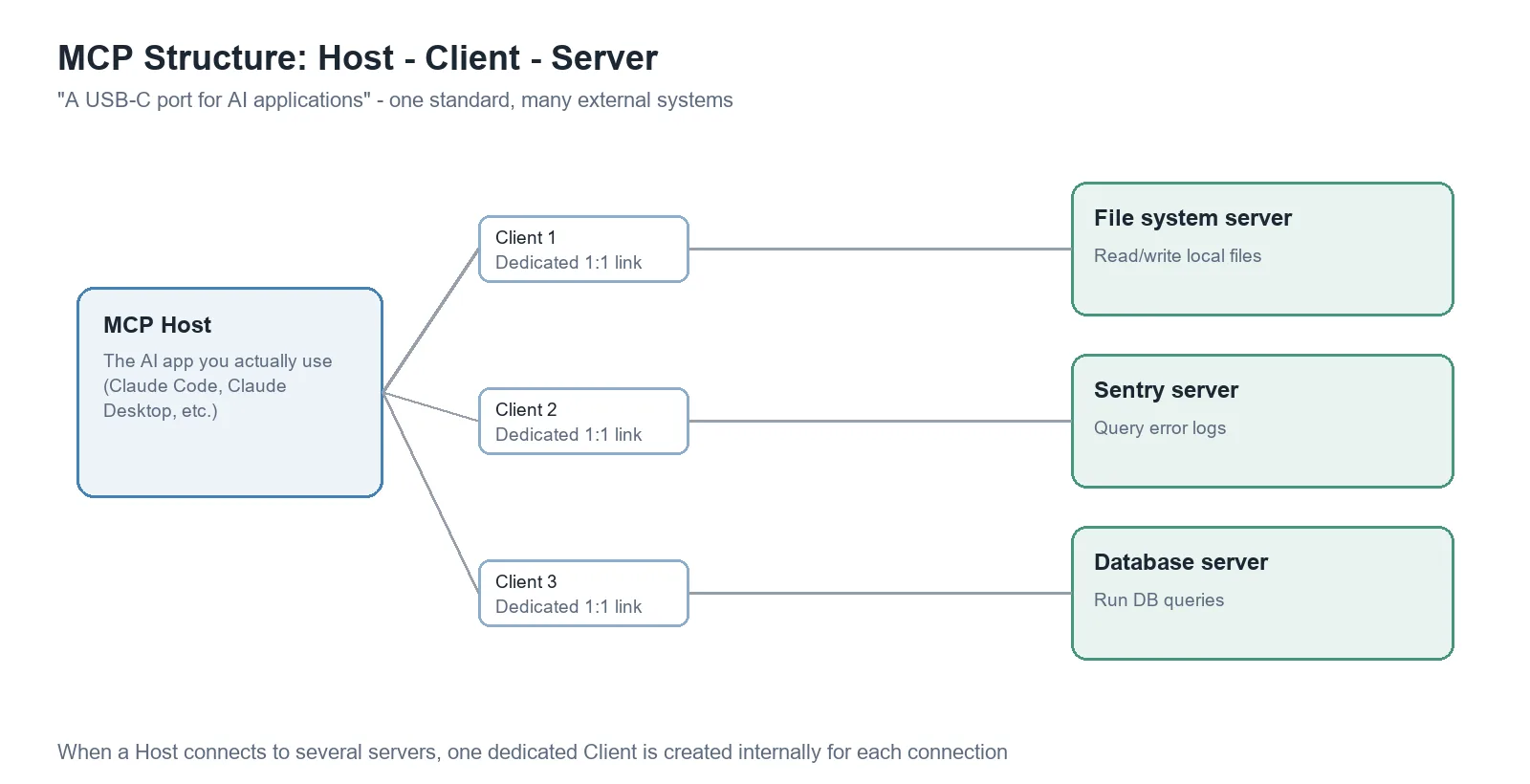
An overview of MCP (Model Context Protocol), the open standard for connecting AI applications to external tools and data — its concept, structure, and origin.
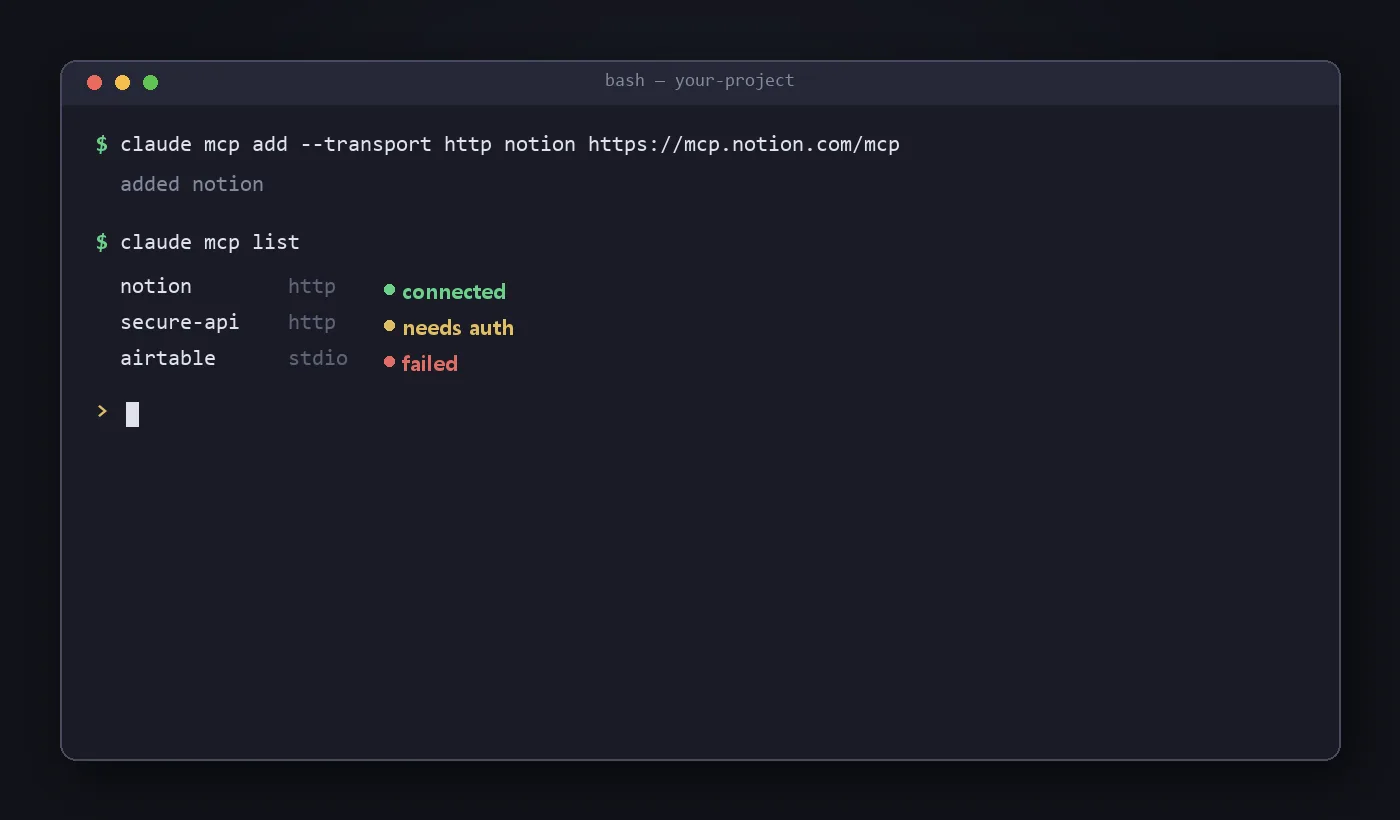
What an MCP server actually does and how to connect one to Claude Code, based on official documentation's command examples.
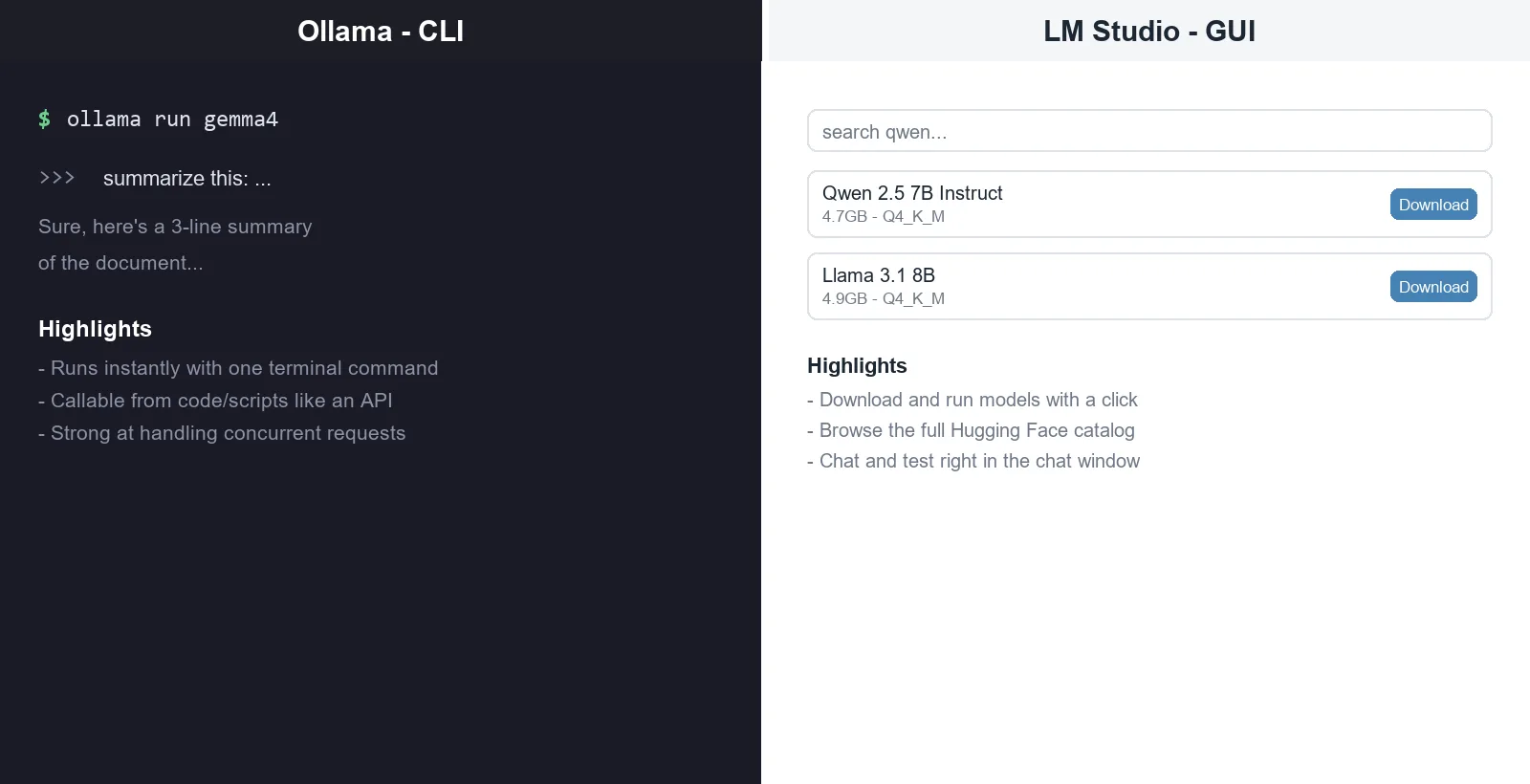
Comparing CLI-centric Ollama and GUI-centric LM Studio on install difficulty, performance, and use case.
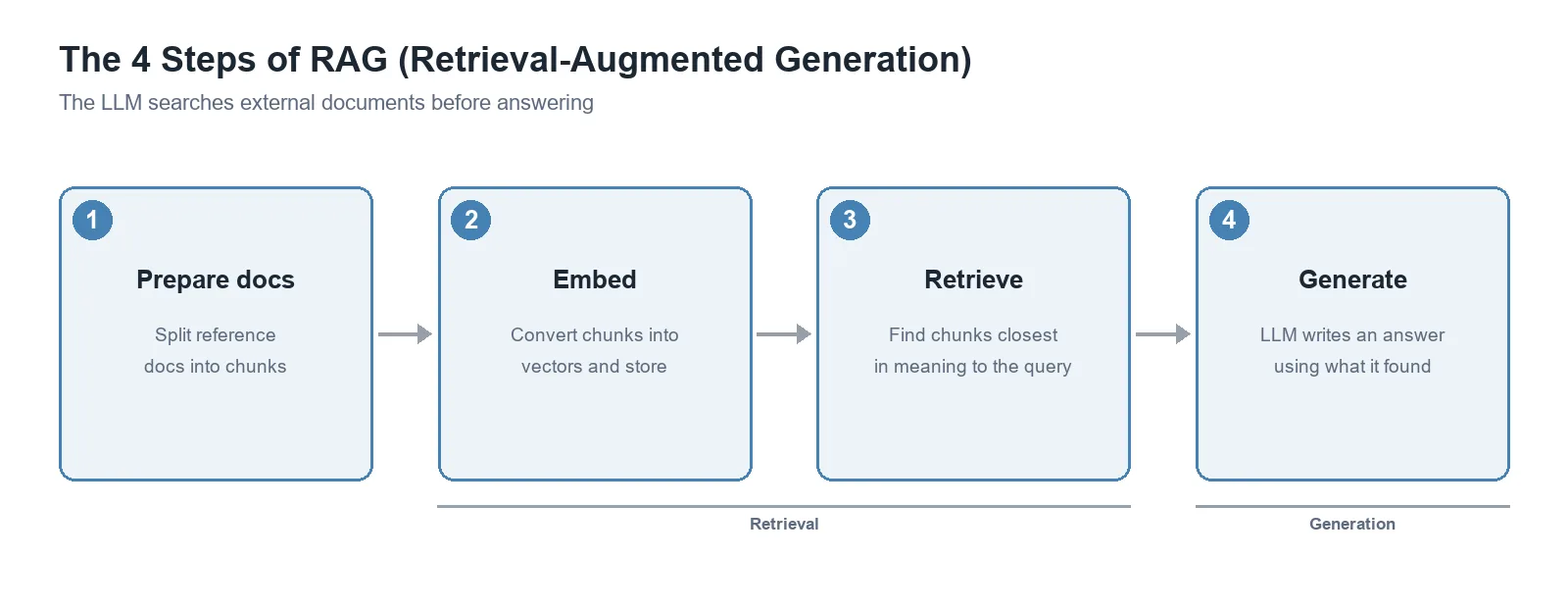
How RAG (Retrieval-Augmented Generation) lets an LLM incorporate recent information or internal documents it didn't see during training into its answers.
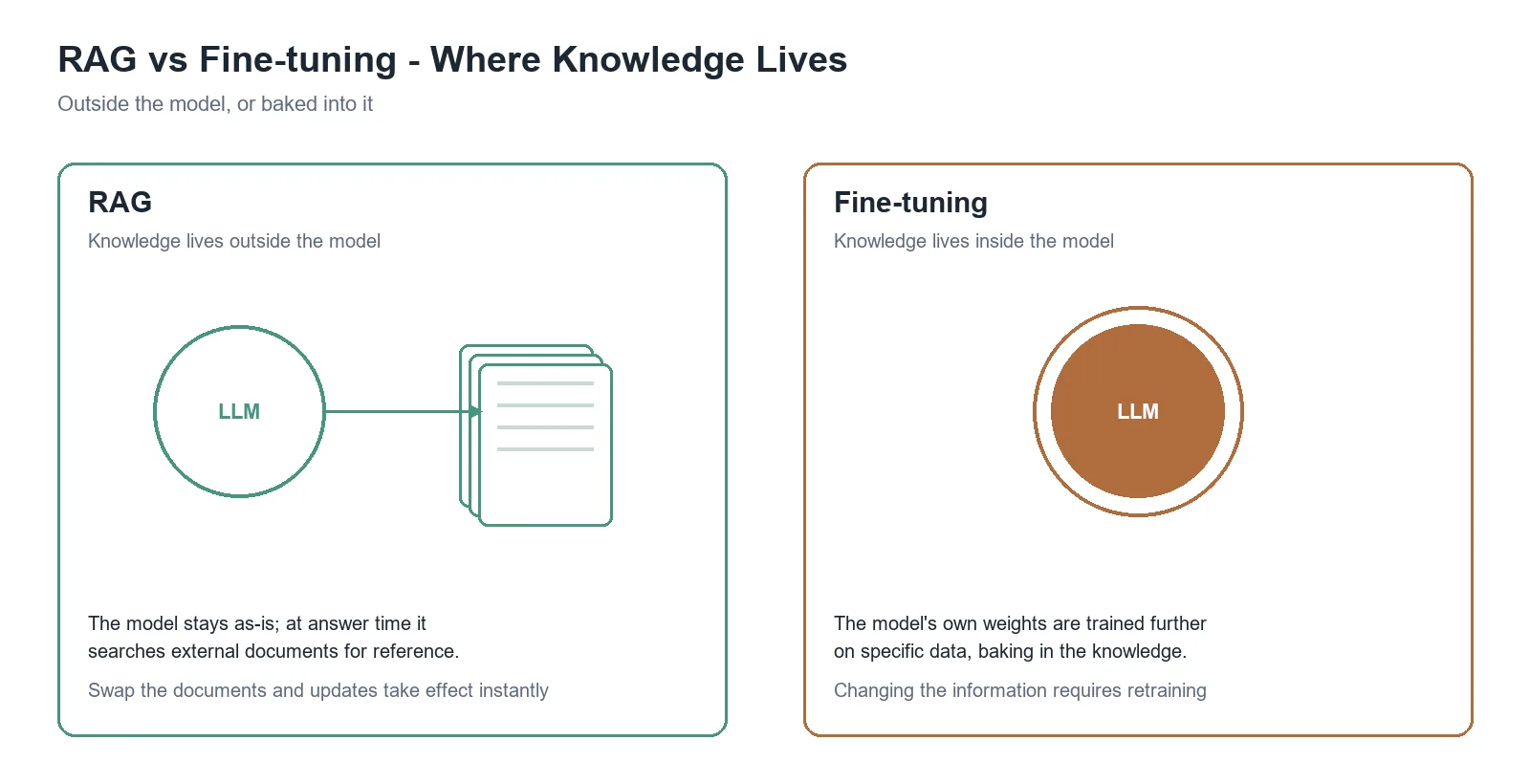
Comparing RAG and fine-tuning, the two main ways to adapt an LLM for a specific purpose, and which situations each fits.
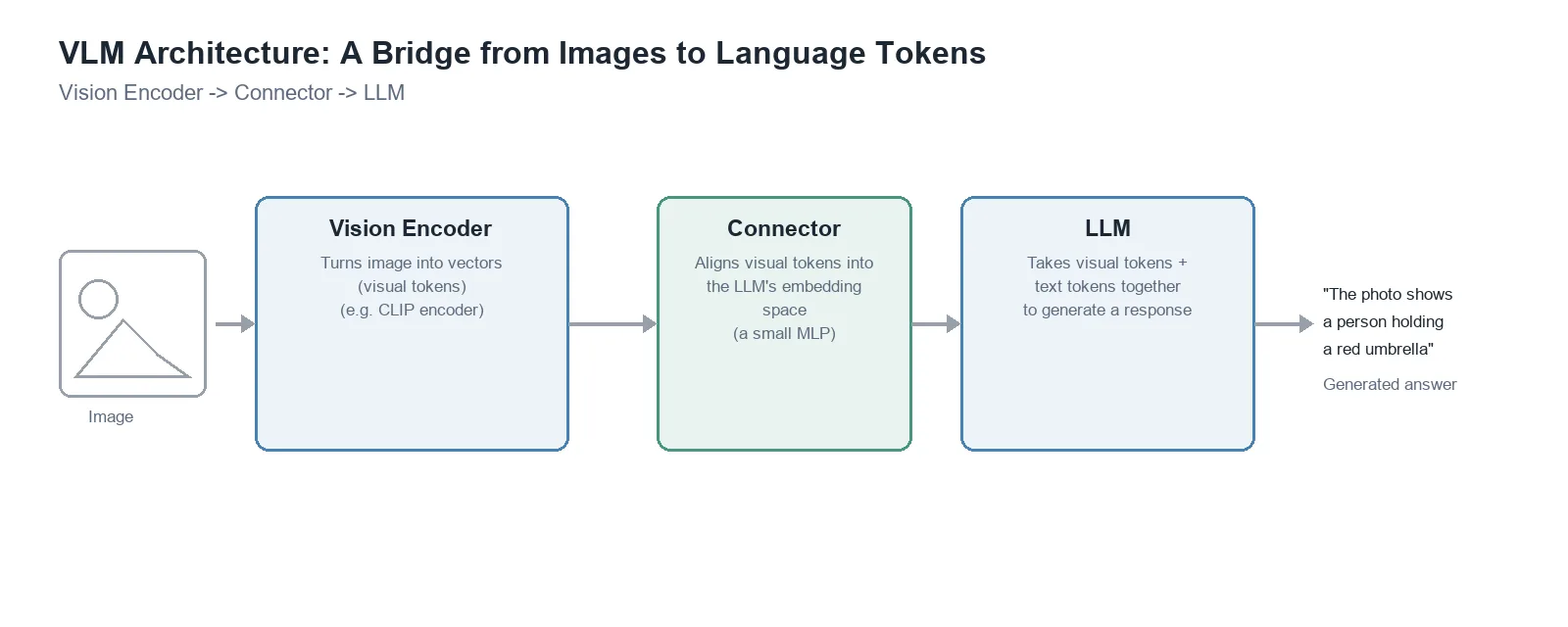
How Vision Language Models (VLMs), which understand images and text together, work through architectures like CLIP and LLaVA.
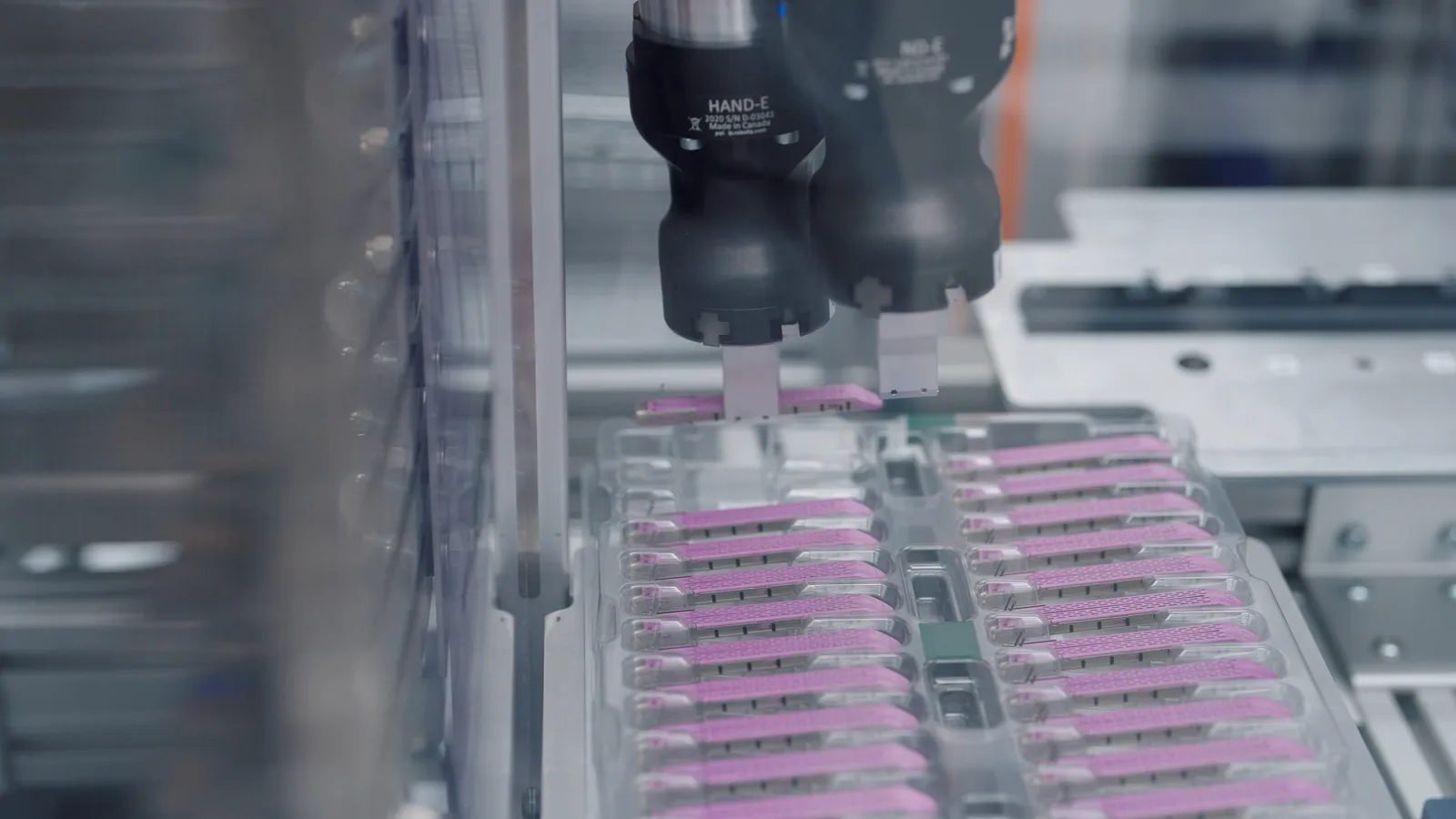
A breakdown of how Physical AI differs structurally from generative AI, and where it's actually used in robotics and autonomous systems.